The funds are aimed at bolstering Germany’s and Europe’s critical raw materials supply chain.
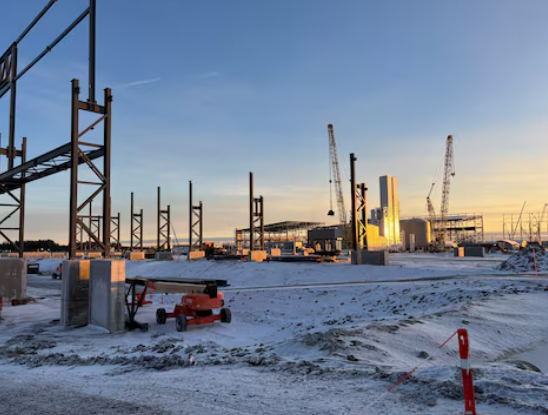
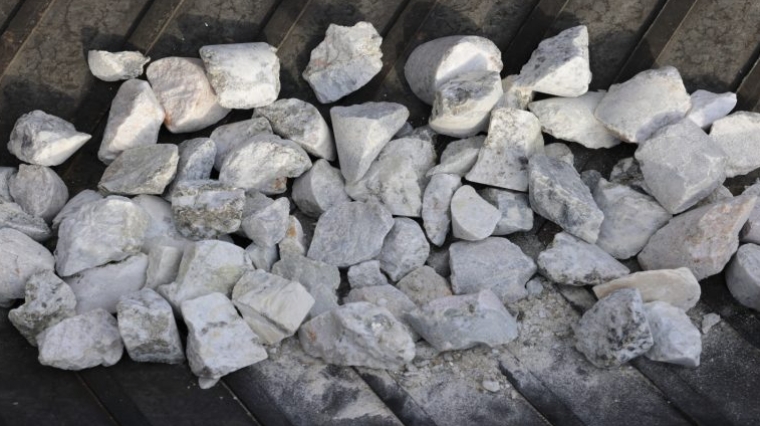
The grants will support two facilities: a Geothermal Lithium Extraction Plant in Landau, Rhineland-Palatinate, for lithium raw materials production, and a Central Lithium Plant in Frankfurt, Hesse, for lithium hydroxide processing. These efforts aim to strengthen the supply chain for critical raw materials in Germany and Europe, particularly for the EV battery sector.
“We welcome this strong, tangible support from the German Federal Government, and the state governments of Rhineland-Palatinate and Hesse,” said Cris Moreno, Vulcan Energy’s managing director and CEO. “The Li4BAT grant will enable our project to supply sustainable, domestically sourced lithium to the German and European battery EV markets.”
The Li4BAT initiative focuses on reducing the carbon footprint of the lithium supply chain, aligning with the sustainability goals of the Lionheart Project. The grants are part of a broader financing package, which includes a €100 million grant for renewable heating and up to €500 million from the European Investment Bank.
The release of the Li4BAT funds depends on meeting specific milestones, including finalizing the phase one financing package by September 1, 2025, starting construction by January 2026, and completing a €150 million investment from the Raw Materials Fund (RMF) by March 31, 2026. Vulcan is currently negotiating the RMF investment, expected to finalize in the second half of 2025.
“Lithium is the lifeblood of the energy transition and for EV production and is crucial to transitioning Germany and Europe’s auto industry into the electric age,” Moreno added. “We look forward to providing further updates on the progress of the project, including planned completion of the overall financing package and start of construction, in the coming months.”
The grants will be disbursed over 36 months, starting with eligible expenditures in October 2025. In December 2024, Vulcan launched a €100 million placement to initiate phase one of the Lionheart Project, reinforcing its commitment to sustainable lithium production for the EV industry.