The Rio Tinto logo is displayed above the global mining group's booth at the Prospectors and Developers Association of Canada (PDAC) annual conference in Toronto, Ontario, Canada March 7, 2023.
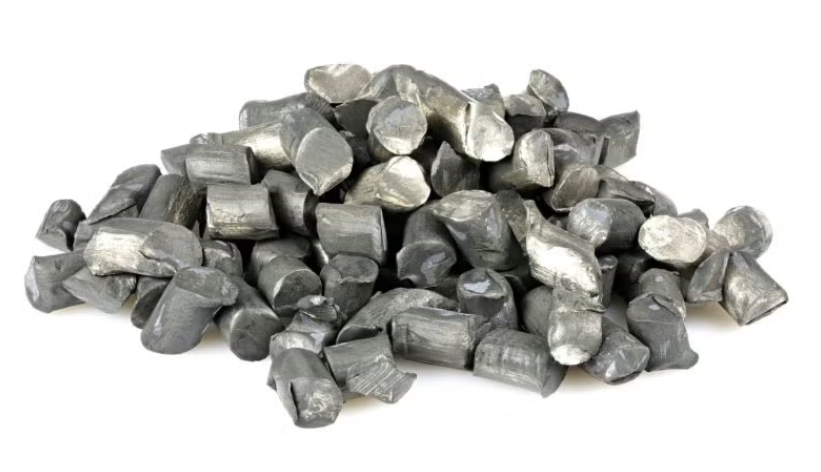
Titanium, valued for its strength, corrosion resistance, and lightweight properties, is essential in products like paints, cosmetics, and food coloring, as well as in aerospace and defense components, including jet engine parts and naval vessels. The global titanium dioxide market has seen significant production growth, particularly from China, which now accounts for over half the market share, per U.S. Geological Survey data. This expansion has influenced pricing dynamics, impacting profit margins for Western mining companies.
Against this market backdrop, Rio Tinto is assessing whether its titanium business aligns with its long-term portfolio strategy. The decision on how to proceed, potentially including a sale, could be one of Trott’s first major actions as CEO, the sources indicated. Rio Tinto declined to provide a comment on the matter.
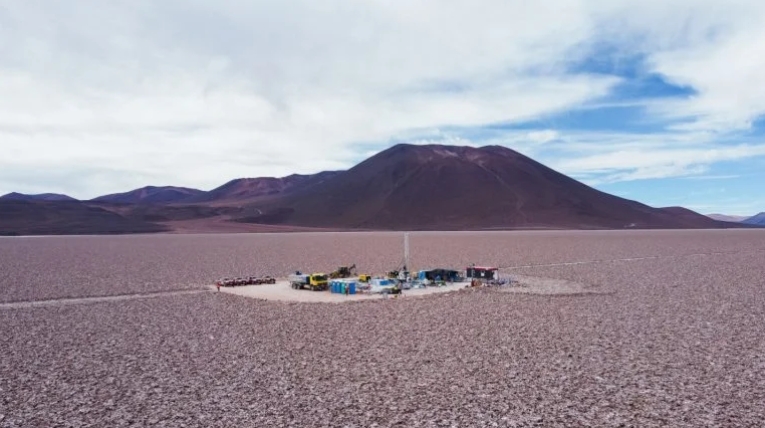
The company would not be the first to exit the titanium sector. In 2013, DuPont announced it would spin off its titanium dioxide business in response to investor calls for improved returns. Within Rio Tinto’s portfolio, the titanium operations fall under the Minerals division, led by Sinead Kaufman. This division, which also includes borates, the Iron Ore Company of Canada, diamonds, and the Jadar lithium project in Serbia, reported an underlying EBITDA of $1.1 billion in 2024, a 24% decrease from 2023. Operations in South Africa and Canada, primarily iron and titanium, contributed significantly to this figure.
Trott, who has led Rio Tinto’s iron ore division since 2021, is expected to prioritize cost efficiency. Sources noted internal acknowledgment within the company that operational expenses, including staffing, are high, with one source stating: “There’s going to be a middle management clean out.”
Trott’s strategic vision emphasizes streamlining core operations, focusing on iron ore, copper, lithium, and aluminum. This includes potentially consolidating iron ore operations in Australia and Canada, alongside the Simandou project in Guinea, and grouping lithium assets, such as the recently acquired U.S.-based Arcadium, with other lithium projects. Rio Tinto is set to announce its half-year financial results on July 30.