Dublin, Ireland
ESB Networks is currently executing a grid resilience plan to strengthen infrastructure in areas prone to severe weather, with completion targeted for October 2025. This initiative focuses on improving the reliability of electricity distribution for homes and businesses across Ireland.
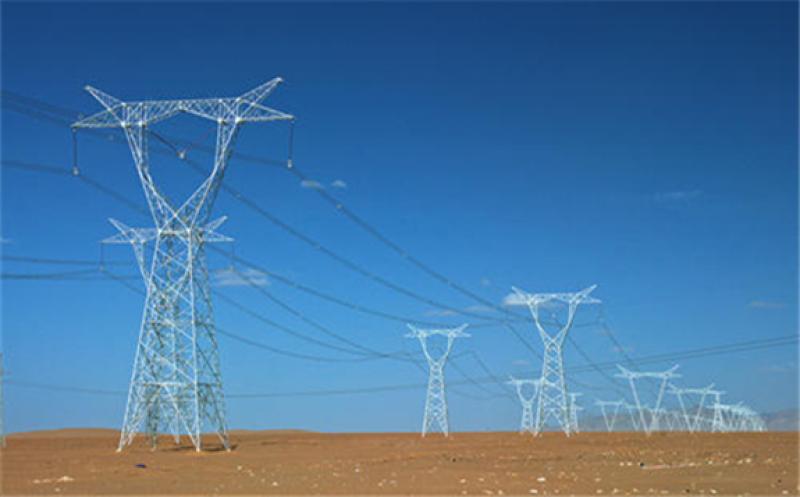
EirGrid is advancing the Celtic Interconnector project, set to link Ireland’s grid with France by 2027. Additionally, EirGrid’s business development plan for 2026–2030 emphasizes investments in workforce development and technology, including new onshore infrastructure such as overhead lines, underground cables, and expanded substations.
The investment will enable both organizations to expand Ireland’s onshore and offshore electricity transmission and distribution networks, enhancing capacity and reliability. Minister of Climate, Energy, and the Environment Darragh O’Brien stated: “This €3.5 billion investment is about building the energy infrastructure that Ireland needs for the future. It’s about ensuring every home and business has a reliable and secure source of electricity, creating thousands of jobs, and making Ireland a more attractive place for international companies to invest and grow.”
EirGrid’s CEO Cathal Marley also expressed enthusiasm, saying: “This investment will support EirGrid to carry out the most ambitious program of work ever undertaken on the transmission system in Ireland.” The funding, part of Ireland’s National Development Plan, represents the largest single investment in the country’s electricity network to date.
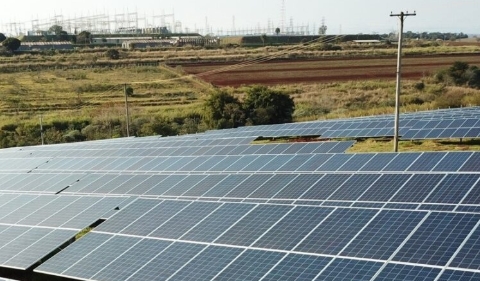
O’Brien emphasized the broader impact, stating: “A modern, resilient electricity grid is the backbone of everything we want to achieve. This investment will help to deliver energy security for Irish families and businesses, while helping us reach our target of generating 80% of our electricity from renewable sources by 2030.” Ireland aims to develop 8 GW of solar, 9 GW of onshore wind, and 5 GW of offshore wind by 2030.
Earlier this month, the government approved a policy allowing private companies to establish direct grid connections, bypassing the public grid in specific cases. Solar Ireland, representing the solar industry, welcomed this move, noting it could facilitate power purchase agreements, particularly with data centers, boosting opportunities for renewable energy providers.
This investment underscores Ireland’s commitment to enhancing energy infrastructure to support domestic consumption and renewable energy goals, ensuring a stable and sustainable electricity supply.