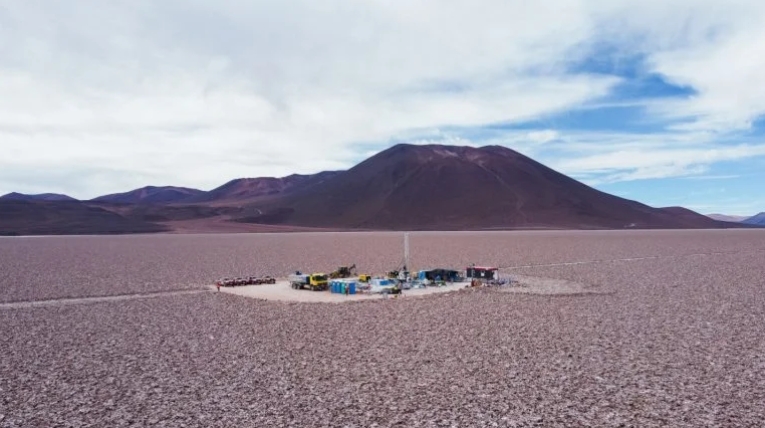
Rio Tinto has committed to acquiring a controlling 51% interest in the Altoandinos lithium project.
In August 2024, ENAMI selected six companies, including Rio Tinto, BYD Chile, CNGR Advanced Material, Eramet Chile, LG Energy Solution, and POSCO, as candidates for the Altoandinos lithium project. Following a detailed evaluation, Rio Tinto was chosen as the preferred partner in May 2025. Under the agreement, Rio Tinto will hold a 51% stake in the joint venture, while ENAMI will retain 49%.
Rio Tinto has committed up to $425 million in cash and non-cash contributions, including its direct lithium extraction technology, to support the project. The cash will fund a pre-feasibility study and subsequent phases, with further investments contingent on meeting project milestones. The transaction is expected to be finalized in the first half of 2026, subject to regulatory approvals and standard closing conditions.
Sinead Kaufmann, Rio Tinto’s Minerals chief executive, emphasized the project’s importance, stating: “We are continuing to execute our strategy of building a world-class lithium portfolio to position Rio Tinto as a global leader in the responsible supply of critical minerals essential to the energy transition.” She added: “The Salares Altoandinos project represents a significant opportunity to develop a large-scale, long-life, low-cost lithium brine resource. We are committed to the highest environmental standards and to ensuring any potential development is guided by transparent, respectful and ongoing engagement with local communities in Chile’s Atacama region.”
The Salares Altoandinos project is poised to enhance Chile’s lithium production capacity, supporting the global demand for materials critical to sustainable energy solutions. The joint venture will focus on responsible development, prioritizing environmental stewardship and community engagement to ensure long-term benefits for the Atacama region.
This initiative aligns with efforts to meet growing demand for lithium, primarily for domestic and international use in battery production, fostering sustainable economic growth and supporting the global shift toward cleaner energy sources.