Upon successful assessment outcomes, International Graphite and Arctic plan to form a 50/50 JV to finance, construct and operate the facility.
The partnership leverages expertise from associates including LNS, ProGraphite, and Hensen. International Graphite’s managing director and CEO, Andrew Worland, stated: “Our partners have a deep knowledge of the European graphite market and supply chain and share our vision to establish smaller scale, lower capital cost projects in tier one jurisdictions, that can be brought to production quickly and developed with further expansion capability. The partnership brings together the highest calibre of graphite technical and operational expertise, corporate and financial capability, and graphite market experience.”
A preliminary economic assessment conducted by Arctic Graphite, ProGraphite, and Hensen projects the facility will have a production capacity of 3,000 tonnes per annum (tpa) with a capital cost of €5 million ($5.8 million). The facility will use third-party feedstock to optimize cost efficiency and scalability. If the assessment yields positive results, International Graphite and Arctic Graphite plan to form a 50/50 joint venture to finance, build, and operate the plant.
GIP will secure necessary permits, supply agreements, and marketing contracts, and contribute at least 50% of the capital costs through non-dilutive funding. Subject to shareholder approval, International Graphite will issue shares to GIP, equivalent to a 12.5% stake in the company, upon fulfillment of these commitments. GIP has also expressed interest in arranging A$10 million ($6.5 million) in funding for the German facility and another project, the Collie Micronising Facility, pending due diligence and finalized terms.
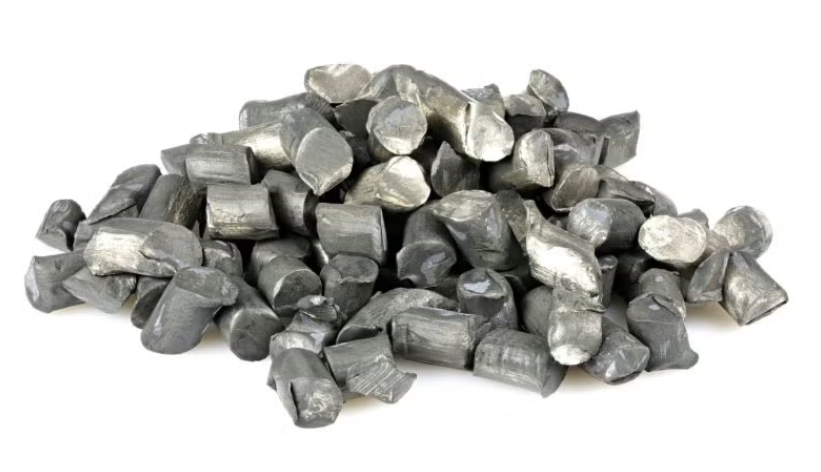
Both facilities are expected to commence production by 2027, with a combined capacity of approximately 10,000 tpa of high-value graphite products. Expandable graphite, produced by treating natural flake graphite with intercalating agents, expands when heated to create lightweight, insulating carbon structures. Europe currently relies heavily on imported expandable graphite, underscoring the importance of this new facility for regional supply independence.
The collaboration reflects a strategic effort to meet growing demand for sustainable materials in Europe, supporting industries with innovative, locally produced solutions.