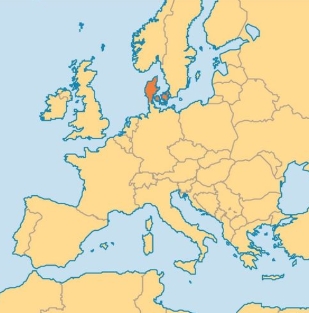
The initiative targets at least one domestic air route within Denmark, requiring a minimum blend of 40% SAF. Airlines participating in the scheme will receive direct monthly grants to cover the additional costs of using SAF compared to conventional jet fuel. Eligible expenses also include those related to the necessary airport infrastructure.
The financial support will be allocated through a competitive bidding process, ensuring that the level of aid corresponds to actual cost differentials. According to the Commission, the scheme will support a minimum of 20 commercial one-way flights per week operating on one or more domestic routes.
To maintain fairness and avoid overlapping subsidies, the scheme includes safeguards against overcompensation. Specifically, SAF supported under this program cannot be counted toward compliance with other EU initiatives, such as the ReFuelEU Aviation regulation or the EU Emissions Trading System (ETS). Additionally, SAF that has already received financial support from Denmark, other EU member states, or non-EU countries is not eligible for aid under this program.
The Danish SAF support scheme is scheduled to remain in effect until the end of 2027. It reflects a broader EU effort to promote cleaner aviation practices and reduce greenhouse gas emissions, in line with climate and energy transition goals. By supporting SAF uptake, the scheme is expected to contribute to the gradual decarbonization of domestic air travel while also encouraging innovation and investment in sustainable fuel production and infrastructure.
The Commission emphasized that the aid program aligns with the EU’s environmental objectives while ensuring that state support is proportionate, transparent, and does not distort market competition. The program is expected to serve as a model for similar initiatives across other EU member states in the coming years.
This development highlights Denmark's active role in advancing sustainable transport solutions and supports the European Union’s broader climate targets by fostering cleaner alternatives within the aviation industry.