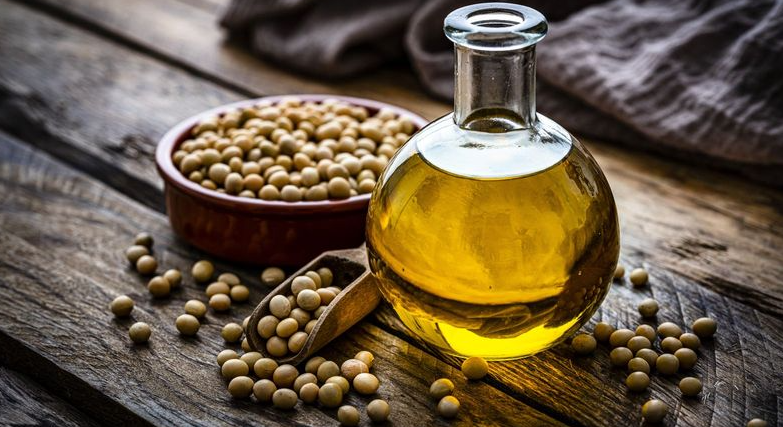
This large-volume purchase, intended for delivery between September and December, marks a significant departure from India’s usual import patterns, which primarily involve soybean oil shipments from Argentina and Brazil. Traders reported that Chinese sellers were offering price reductions of $15–$20 per tonne compared to South American-origin oil.
“Chinese soybean crushers are struggling with excess soybean meal and soybean oil. They are sending oil to India to reduce stockpiles,” said a New Delhi-based trader affiliated with an international trading company.
Crude soybean oil from China was reportedly offered at approximately $1,140 per tonne, including cost, insurance, and freight (CIF), for December-quarter delivery. In contrast, similar oil from South America was priced around $1,160 per tonne, according to another industry source.
Lower freight costs and shorter shipping times have also provided Chinese suppliers with a logistical advantage. While South American shipments typically take over six weeks to reach Indian ports, deliveries from China require only two to three weeks, noted a Mumbai-based trader.
China, the world’s largest soybean importer, experienced a surge in soybean arrivals in May, which boosted crushing activity and contributed to rising inventories of soybean meal and oil. In response, domestic crushers sought export opportunities to reduce surplus levels and maintain processing operations.
India, which relies on imports for nearly two-thirds of its vegetable oil demand, sources palm oil largely from Indonesia and Malaysia, and sunflower and soybean oil from Russia, Ukraine, Argentina, and Brazil. Soybean oil generally commands a premium over palm oil in most markets, including India. However, in China, soybean oil is currently priced lower due to the oversupply.
Sandeep Bajoria, CEO of Mumbai-based brokerage Sunvin Group, stated that India's overall vegetable oil consumption remains substantial, and it may continue sourcing from China if the price advantage is sustained: “The country could buy more from China if it offered it at competitive prices.”
This development reflects shifting dynamics in the global edible oil market, driven by fluctuating supply conditions, freight efficiency, and evolving trade strategies among major producers and importers.