The logo of JERA Co., Inc., the world's biggest LNG buyer, is displayed at the company office in Tokyo, Japan July 14, 2017.
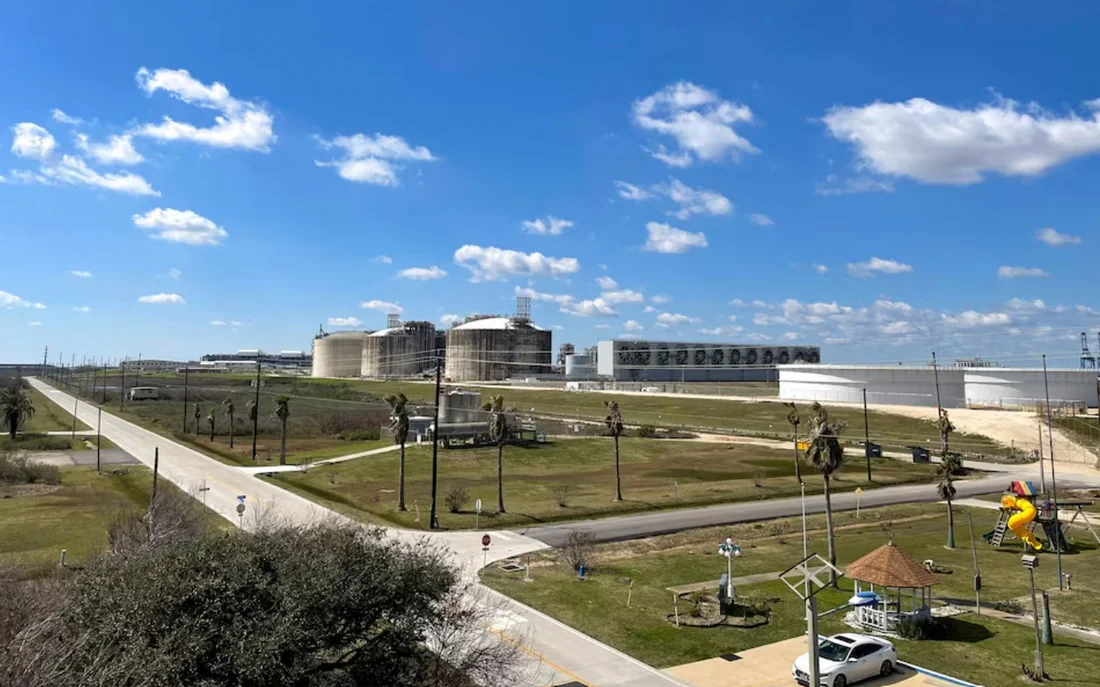
The Port Arthur LNG Phase 2 project, which has secured all necessary permits, is designed to include two liquefaction trains with a combined capacity of approximately 13 million tonnes per annum (Mtpa) of LNG. Sempra Infrastructure CEO Justin Bird stated: “The company remains focused on advancing its Port Arthur LNG Phase 2 development project to a final investment decision.” This project follows the Phase 1 development, currently under construction, with commercial operations expected to begin in 2027 for the first train and 2028 for the second.
The United States, a leading global LNG exporter, shipped 11.9 billion cubic feet per day of LNG in 2024. The sector has seen growth after the U.S. lifted a moratorium on new export permits in January 2025, enabling projects like Port Arthur to expand export capabilities to markets in Europe and Asia. In May 2025, the Port Arthur Phase 2 project received U.S. approval to supply LNG to these regions, reinforcing its strategic role in global energy markets.
Japan, a major LNG consumer, relies on imports to meet its energy needs. The agreement with JERA strengthens energy ties between the U.S. and Japan, ensuring a stable supply for JERA’s power generation operations. This deal aligns with broader U.S. efforts to support allies in securing energy resources.
Additionally, another U.S. LNG producer, NextDecade, signed a similar 20-year agreement with JERA in May 2025 to supply 2 million tonnes per annum from its Rio Grande project’s fifth liquefaction facility. These long-term contracts reflect growing demand for U.S. LNG and the strategic importance of reliable energy partnerships.
The Port Arthur LNG Phase 2 project is poised to contribute significantly to global LNG supply while supporting economic and energy goals in both the U.S. and Japan. Sempra Infrastructure continues to prioritize the timely development of this project to meet its commitments and address global energy demands.