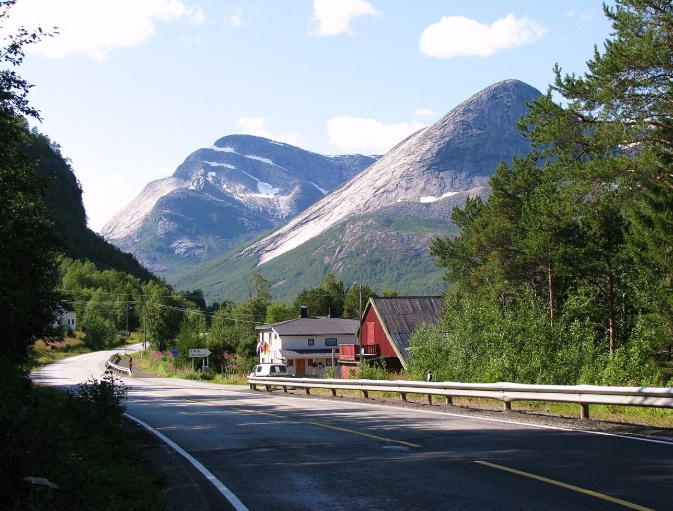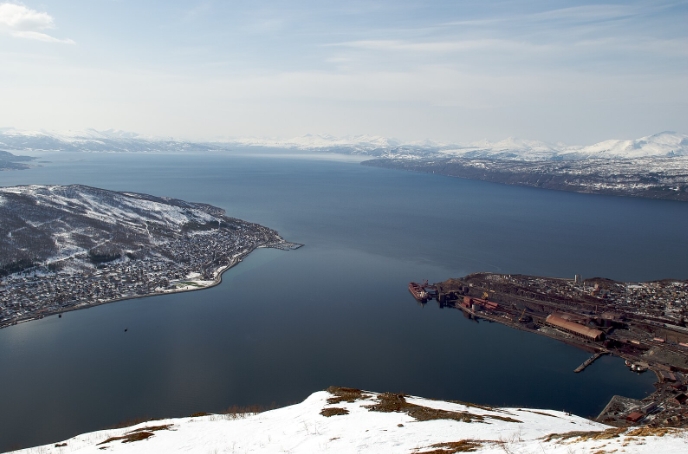
Although Narvik is 220km inside the Arctic Circle, it has relatively mild winters and an abundance of renewable energy. This is the view from the Fagernes mountain overlooking the harbour
Nscale will oversee the design, construction, and operations of the data centre, with ownership equally split between Nscale and Aker. Each partner will invest approximately $500 million in the initial 20MW phase, including $250 million in equity. OpenAI will be the primary customer, securing a portion of the computing capacity for its AI development, with the option to increase its share later. The facility’s energy-efficient design, leveraging Norway’s cool climate and industrial infrastructure, aims to limit power consumption to 230MW, with plans to expand by an additional 290MW. Waste heat will be repurposed to support local businesses.
The data centre will serve public institutions, startups, research groups, and companies across northern Europe, fostering AI innovation. Sam Altman, CEO of OpenAI, stated: “I’ve always said we’d love to bring Stargate to Europe if the conditions are right, and we think we’ve found that in Narvik with clean, affordable energy, ideal climate and great partners in Nscale and Aker. Stargate Norway will help provide the compute power to drive the next wave of AI breakthroughs and economic progress for Europe, in Europe.”
This project marks OpenAI’s first European venture under its Stargate infrastructure platform, following a similar initiative in the UAE. OpenAI is also planning a major US data centre in collaboration with Japan’s SoftBank, with each investing $18 billion, and potential locations in Ohio and Nevada. To support its global expansion, OpenAI is pursuing a $40 billion funding round, having already secured $10 billion and engaging with investors like SoftBank, Sequoia Capital, Tiger Global, Dragoneer, and Founders Fund.
The Stargate Norway project aligns with OpenAI’s growth strategy, as the company aims to double its annual revenue to $12 billion, driven by ChatGPT’s 700 million weekly active users. The facility is expected to enhance Europe’s AI capabilities while contributing to sustainable economic development in the region.