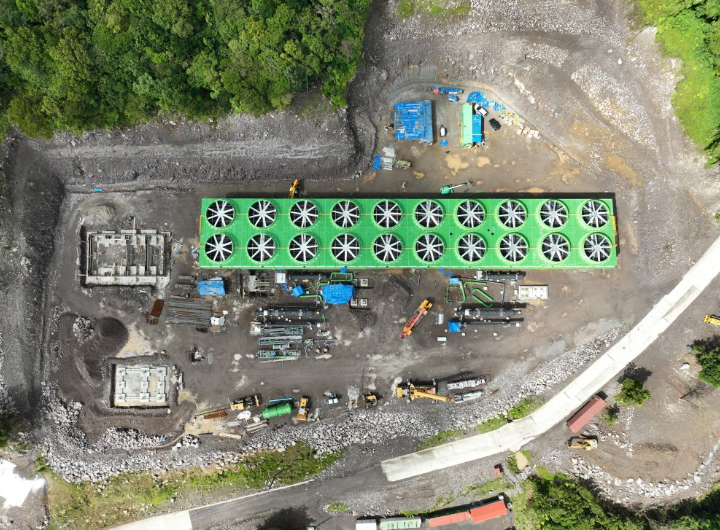
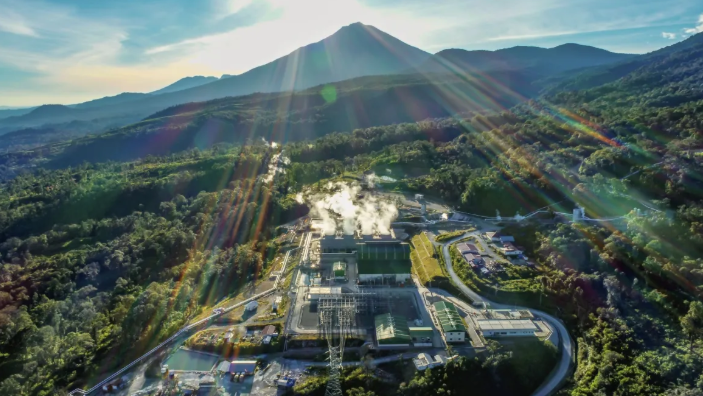
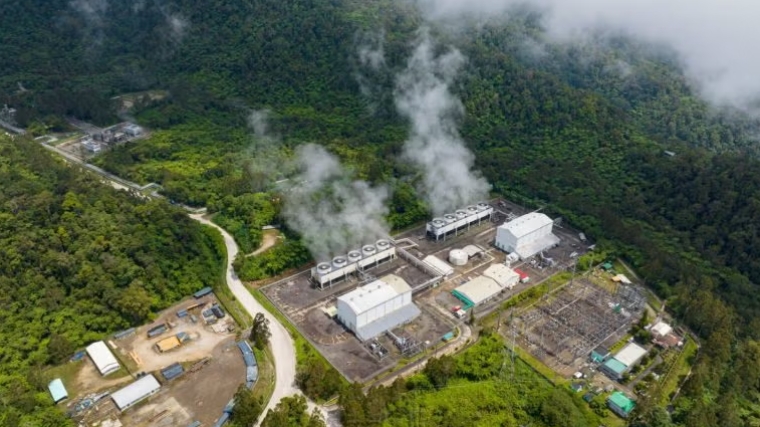
DOE Secretary Sharon Garin led the event, highlighting the plant’s importance: “This project is central to the nation's strategy of balancing economic progress with environmental stewardship.” The Tanawon facility supports the Philippines’ goals of achieving 35% renewable energy by 2030 and 50% by 2040. The DOE noted: “The Tanawon plant contributes to the Philippines' renewable energy targets of 35% by 2030 and 50% by 2040. Its recognition as a Certificate of Energy Project of National Significance (CEPNS) highlights the critical role such projects play in ensuring energy security whilst contributing to environmental protection and inclusive growth.”
The plant strengthens the nation’s energy framework by providing a reliable, sustainable power source. Its designation as a CEPNS underscores its role in fostering energy security and supporting economic and environmental objectives. The facility is part of the Bac-man Complex, a key hub for geothermal energy production in the region.
DOE Undersecretary Mylene Capongcol outlined several initiatives to advance energy development. She emphasized the Green Energy Option Program, which allows consumers to choose renewable energy sources, and the Green Energy Auction Programme, which supports project financing. Additionally, the forthcoming Geothermal De-risking Facility aims to enhance the development of geothermal resources across the country. These policies are designed to streamline processes and encourage investment in sustainable energy projects.
The Tanawon Geothermal Power Plant is expected to contribute significantly to the local energy supply while aligning with the Philippines’ commitment to reducing environmental impact. By leveraging geothermal resources, the project supports the nation’s broader objectives of sustainable growth and energy reliability, benefiting communities in Sorsogon City and beyond.