Iraq, a major global oil producer, has faced challenges in meeting its electricity demand since 2003, with under-investment and mismanagement straining the national grid. In Mosul, Nineveh’s main city, the grid supplies power for only about half the day during peak summer periods, according to local observations. Al-Ali’s monthly electricity bill once reached nearly one million Iraqi dinars ($763.94). After installing solar panels, his payments to the national grid dropped to 80,000 Iraqi dinars, and his power supply became consistent. He stated: “Farmers are turning to solar to reduce their bills and lower the load on water pumps. The electricity from solar is stable.”
Iraq’s abundant sunlight offers significant potential for solar energy development. The Ministry of Electricity aims to install 12 gigawatts of solar capacity by 2030, including a 1-gigawatt solar plant in Basra planned for this year. In January 2025, Iraq’s electricity minister estimated peak summer demand at 55 gigawatts, while the current supply is only 27 gigawatts, highlighting the urgent need for alternative energy solutions.
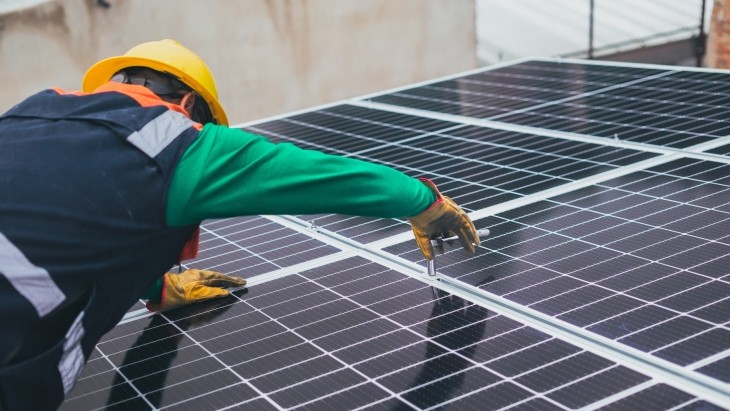
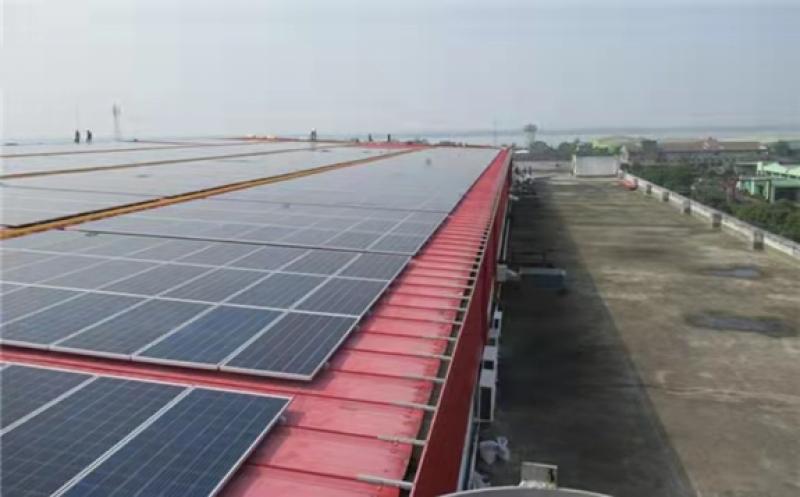
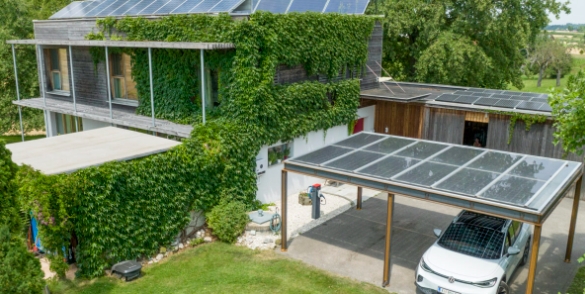
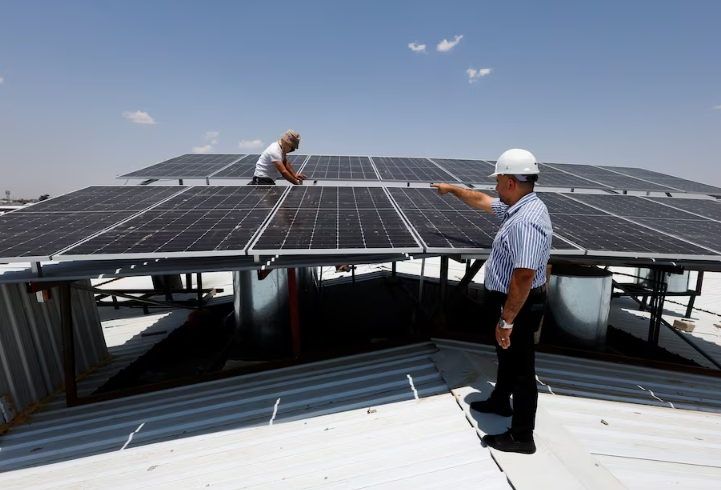
Across Nineveh, farmers are increasingly using rooftop and ground-mounted solar arrays on their farmland to power irrigation and meet household energy needs. In urban areas of Mosul, flat-roofed homes are fitted with tightly packed solar panels to maximize energy production. This shift to solar not only reduces reliance on the strained national grid but also supports efforts to lower carbon emissions.
The adoption of solar power by individuals like al-Ali reflects a broader trend of citizens taking initiative to address energy shortages. By leveraging Iraq’s solar potential, farmers and urban residents are securing reliable electricity while easing pressure on the national grid, contributing to both economic and environmental benefits.