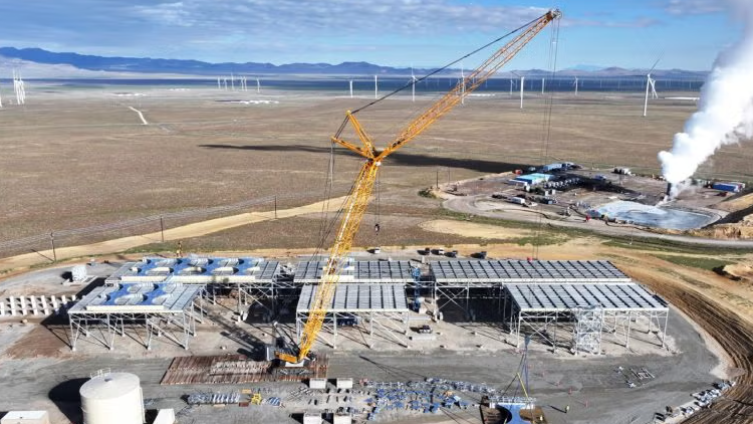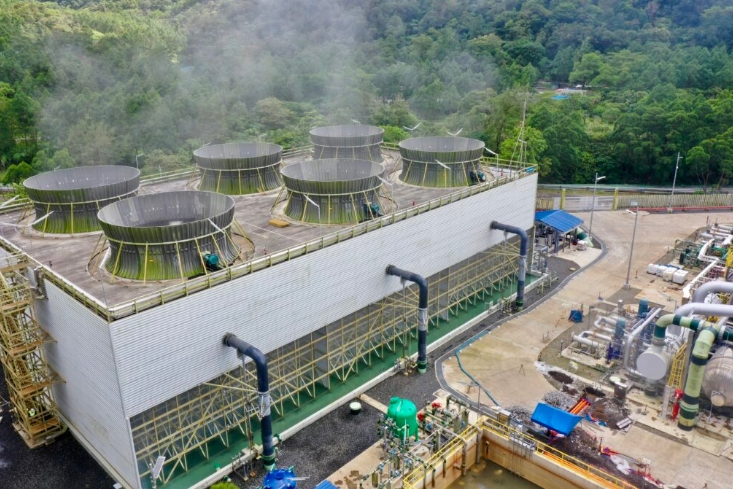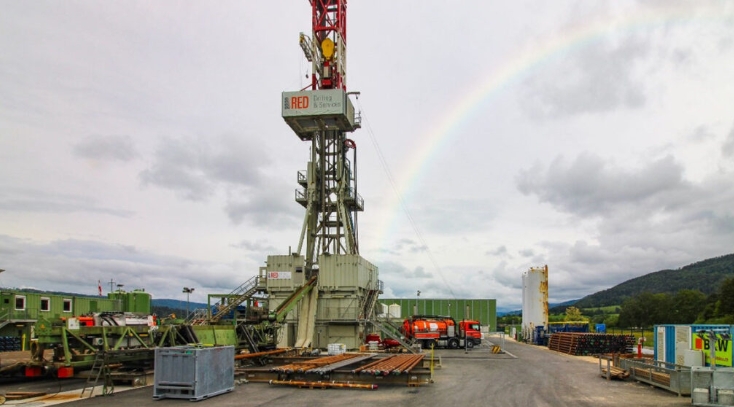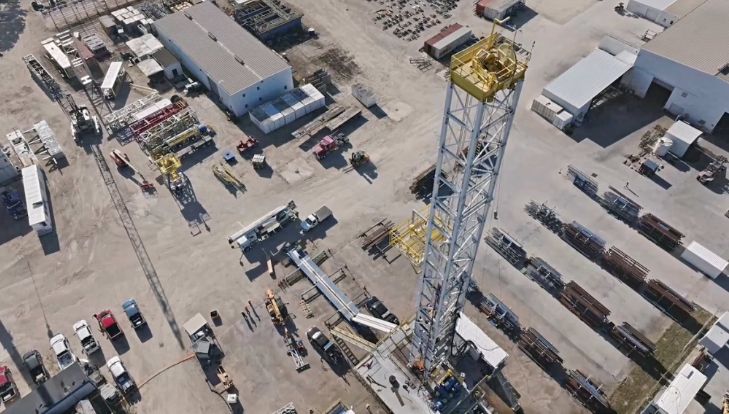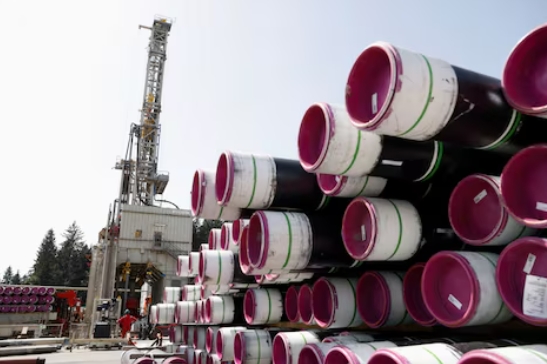
A general view shows a geothermal energy station in Geretsried, Germany, August 24, 2023.
The push for geothermal energy has gained momentum since 2022, when global energy prices surged, prompting utilities and energy companies to explore low-carbon alternatives. Geothermal energy, which harnesses heat from the Earth’s core, offers a reliable option for reducing reliance on traditional energy sources. This aligns with Germany’s efforts to cut emissions from the building sector, where heating is a significant contributor.
A 2023 study by the Fraunhofer Institute highlighted Germany’s substantial geothermal reserves, noting their potential to meet over 25% of the country’s annual heating demand. Despite this, progress has been hindered by regulatory complexities and local resistance. The new draft law addresses these challenges by simplifying approval processes for geothermal plants, heat pumps, thermal storage systems, and district heating networks.
The proposed legislation grants geothermal projects a status of “overriding public interest,” similar to wind and solar initiatives, ensuring prioritized treatment. It also introduces faster permitting by amending mining, water, and environmental regulations. Additionally, the bill sets clear deadlines for authorities to review and approve projects while easing restrictions on geothermal exploration.
An official from the Fraunhofer Institute stated: “Germany’s geothermal potential is among the largest in Europe, and streamlining regulations will unlock significant opportunities for sustainable heating.” The law is now under review by the Bundestag and Bundesrat, Germany’s lower and upper houses, for final approval. This step reflects Germany’s commitment to advancing clean energy solutions to meet its long-term environmental goals.