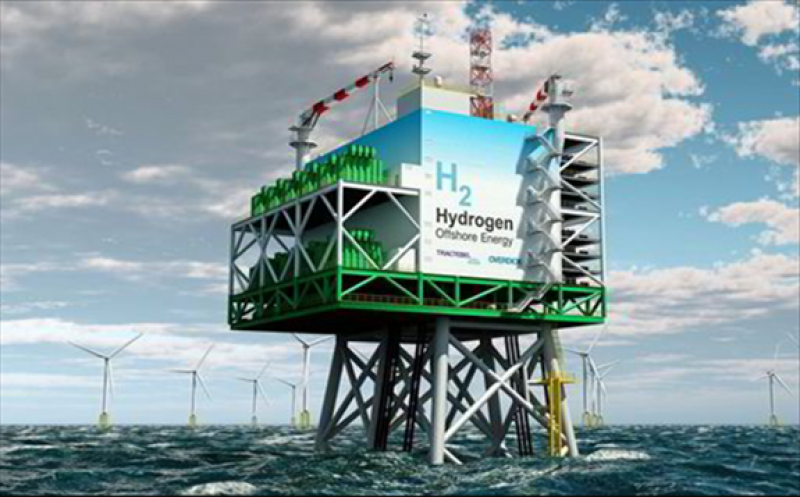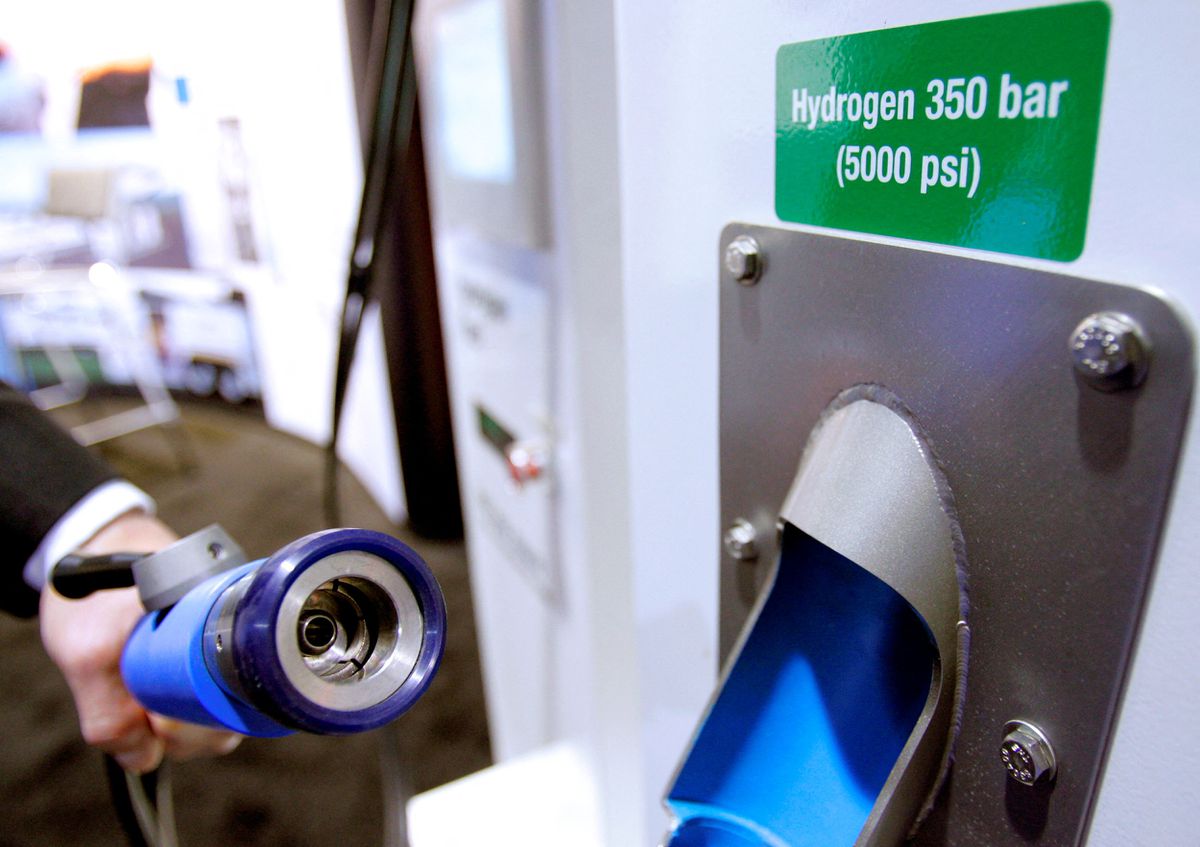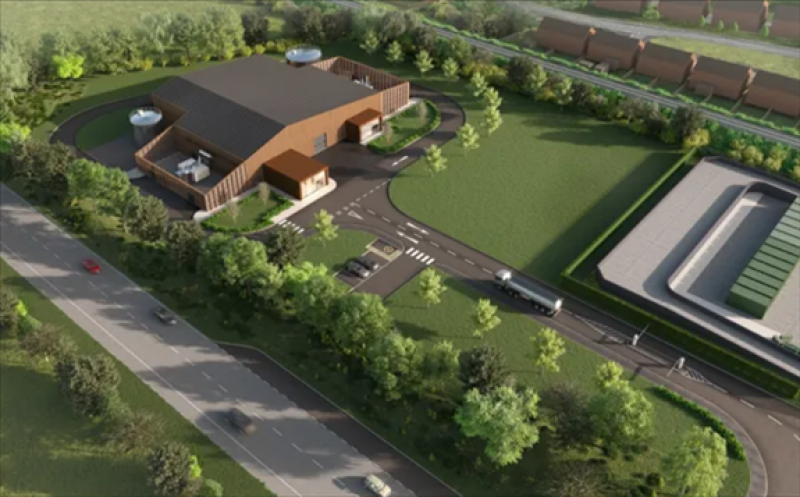
The proposed facility will produce electrolytic hydrogen and green ammonia, with a capacity of up to 400 MW. The green ammonia will support various industries, including sustainable marine fuel and eco-friendly fertilizer production. Statkraft noted: “The construction of schemes like Shetland Hydrogen Project 2 will allow excess renewable power that cannot be utilised by the grid to be transformed into hydrogen.” This approach maximizes the use of renewable energy resources in the region.
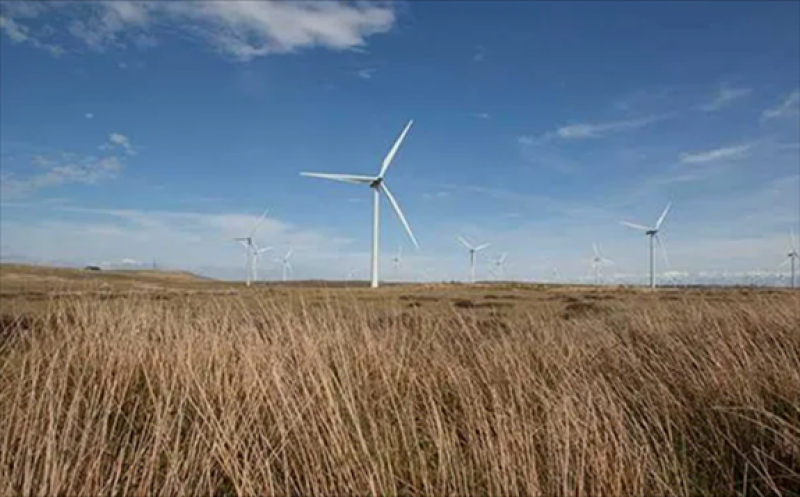
Statkraft is also advancing three wind farms in Shetland—Mossy Hill near Lerwick, and Energy Isles and Beaw Field on Yell—currently in pre-construction. These projects complement the hydrogen initiative by enhancing the region’s renewable energy infrastructure.
Stuart Marley, Statkraft’s Principal Hydrogen Project Manager, commented: “This is an exciting milestone for the potential to develop green hydrogen and ammonia production in Shetland. This scheme offers an opportunity to combine Shetland’s renewable resources with innovative technology.” He added: “The historic links with energy production mean there is a wealth of talent in the region to draw on to ensure projects are run safely and efficiently. While we are currently in the early stages of development, we will work closely with local stakeholders and the wider Shetland community, as we progress this project.”
Earlier in 2025, Statkraft paused new green hydrogen projects to focus on existing initiatives, emphasizing its long-term commitment to the sector. The company stated that green hydrogen remains a key part of its portfolio, with ongoing efforts to prepare projects for future investment. Additionally, Statkraft signed an option agreement with Clydeport, part of the UK’s Peel Ports Group, to explore a green hydrogen facility at Clydeport’s Hunterston Port and Resource Campus in Scotland.
The Shetland Hydrogen Project 2 leverages local expertise and renewable resources, fostering collaboration with the Shetland community. By converting surplus renewable energy into hydrogen and ammonia, the project supports sustainable industrial applications while contributing to regional economic and environmental goals.