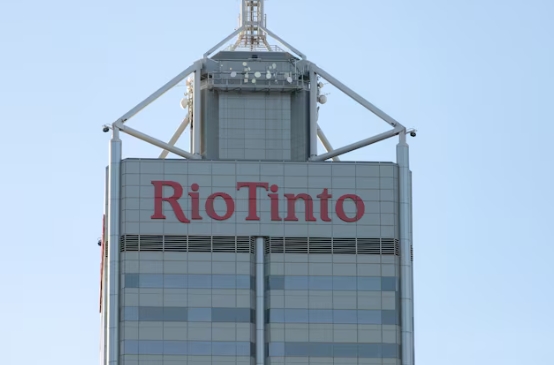
A view shows the Rio Tinto logo in Perth, Australia, April 19, 2025.
Australia, the world’s largest supplier of seaborne iron ore, has been working to position itself as a key player in producing low-carbon metals. In February 2025, the Australian government allocated A$1 billion ($652.4 million) to promote the development of green iron and its supply chains. Green iron, or hydrogen direct reduced iron (DRI), is produced using hydrogen from renewable energy sources instead of coal, enabling the creation of low-carbon steel.
However, Rio Tinto’s chief technical officer, Mark Davies, noted challenges in adopting this approach. He stated: “Today I don’t believe there is an economic incentive for anybody to move to a hydrogen DRI.” Davies highlighted that the technology remains unproven and transitioning from natural gas-based processes to hydrogen is complex. He added: “And doing it in Australia is expensive. It’s an expensive place to build stuff.”
Australia’s iron ore is often of lower grade, requiring an additional processing step that increases costs when using renewable energy-based hydrogen. Another major miner, BHP, echoed similar concerns last month, noting that the high costs of establishing a green iron industry pose significant hurdles, despite collaborative efforts between Australia and other global partners to reduce emissions in the steel supply chain, which accounts for nearly 10% of global emissions.
Davies further explained at a press briefing that a global carbon price of “a couple of hundred dollars” would be necessary to make green iron production economically viable. Without such incentives, the shift to low-carbon steel production in Australia remains challenging.
Despite these obstacles, Australia continues to explore ways to advance its role in sustainable metal production, balancing economic realities with environmental goals.