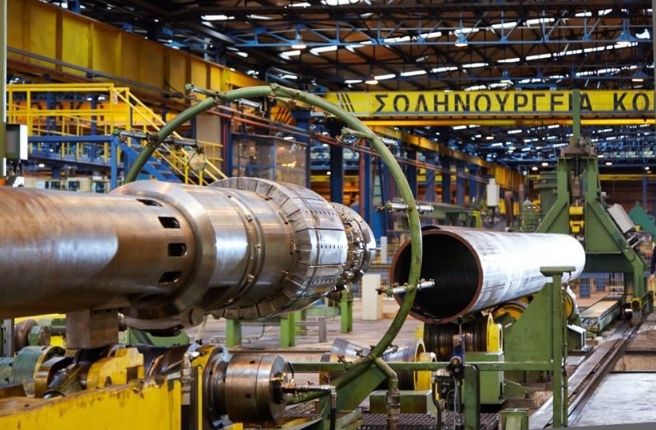
The program, led by Corinth’s engineering and technology team at its specialized hydrogen laboratory, tested 30-inch SAWL X70 linepipe and girth welds under high-pressure hydrogen conditions. The assessments included fracture toughness, slow-strain-rate tensile testing, full fatigue lifecycle modeling for over 50 years, and engineering critical assessments. The results demonstrated that Corinth’s pipes maintain high reliability at a hydrogen pressure of 200 bar, exceeding the project’s intended service life.
Corinth stated: “The findings provide a strong foundation for future hydrogen infrastructure, supporting the feasibility of the design, in a context where offshore hydrogen pipeline design codes are under definition.” This validation marks a significant step in developing robust hydrogen transportation systems.
The collaboration with IGI Poseidon began in late 2024 to evaluate the feasibility of high-pressure offshore hydrogen pipelines. Konstantinos Xifaras, Chairman of the Board at IGI Poseidon, noted at the time: “The companies are setting the stage for a new chapter in energy transportation, addressing the complexities of hydrogen infrastructure with confidence and innovation.”
The successful testing underscores Corinth Pipeworks’ expertise in producing durable materials for demanding energy applications. The program’s outcomes support the global push for sustainable energy solutions, particularly in hydrogen, which is increasingly vital for reducing carbon emissions in energy systems.
By confirming the reliability of its pipes for offshore hydrogen transport, Corinth Pipeworks strengthens its position as a leader in innovative energy infrastructure, contributing to the development of sustainable energy networks in Greece and beyond.