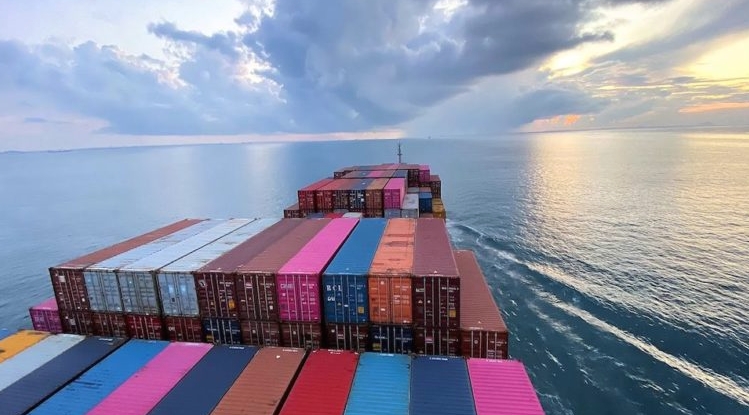
According to industry sources familiar with EPS’ shipbuilding activities, the company, led by Idan Ofer, has signed firm contracts for twelve 1,800 TEU container ships, with options for six additional vessels. The total contract value is estimated at approximately $680 million.
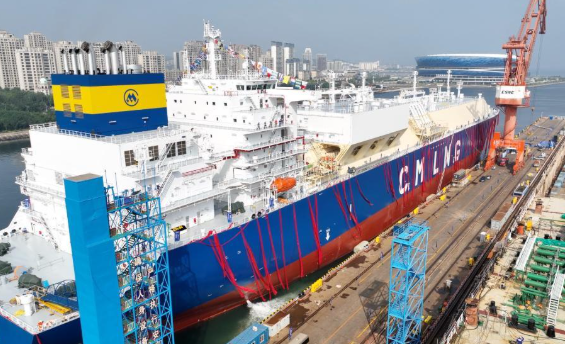
Shipbrokers estimate each vessel's cost between $30 million and $31 million, in line with conventional fuel-powered designs. However, discussions are reportedly underway regarding LNG dual-fuel configurations. This interest is partly due to the involvement of French liner company CMA CGM, which is known to charter boxships from EPS and is recognized for its commitment to alternative fuel solutions.
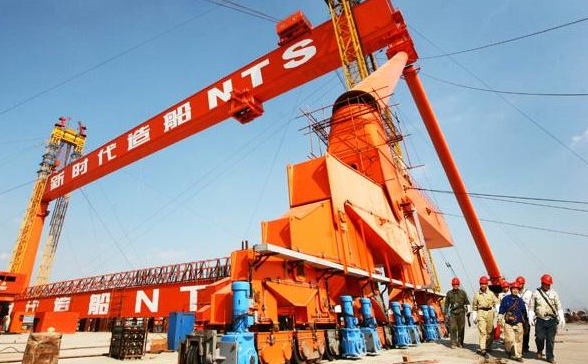
This order at Fujian Mawei Shipbuilding comes shortly after EPS contracted six similarly sized vessels at China Merchants Jinling Shipyard. The back-to-back orders indicate a clear focus by EPS on expanding its modern feeder fleet, aligning with a growing number of shipowners looking to renew or increase their presence in this segment. The feeder market has seen consistent demand due to its essential role in regional logistics and connectivity.
EPS’ latest move contributes to a broader trend of heightened activity in the global container shipbuilding market. New letters of intent have been reported across a range of ship sizes, from smaller feeders to ultra-large 22,000 TEU megamax vessels. This wave of newbuild interest comes as shipowners look to secure limited available delivery slots, especially for 2028 handovers.
A recent update from MB Shipbrokers stated: “Owners are moving quickly to lock in remaining 2028 delivery slots. We expect more announcements in the second half of August.” This observation reflects a competitive and time-sensitive environment for fleet expansion, particularly as shipowners explore both traditional and alternative propulsion technologies.
The EPS order underscores a broader shift toward efficient, environmentally conscious fleet renewal across the shipping industry. With both firm orders and options in place, the company is well-positioned to meet growing regional trade needs while considering the evolving regulatory landscape and sustainability goals.