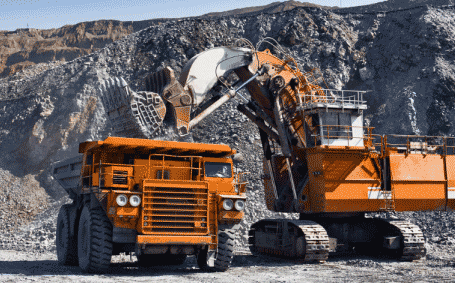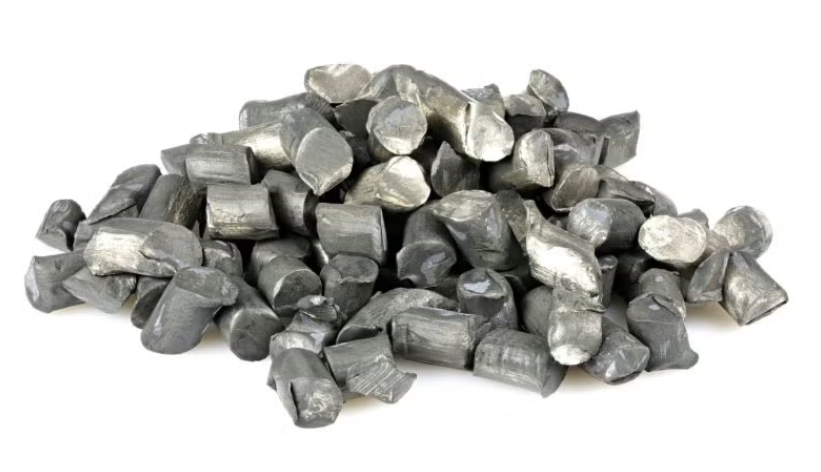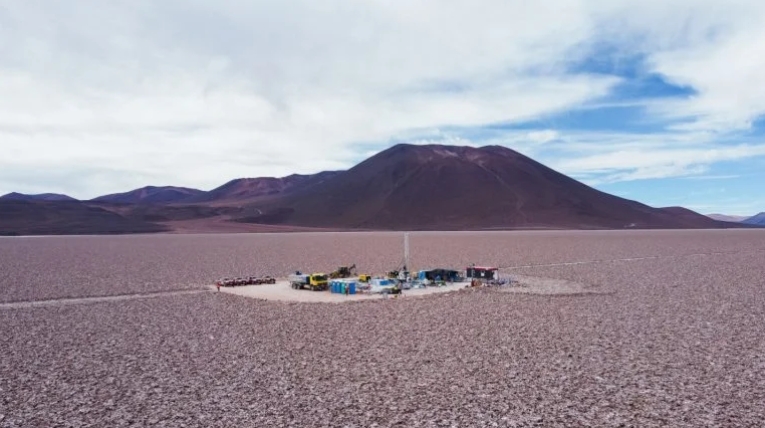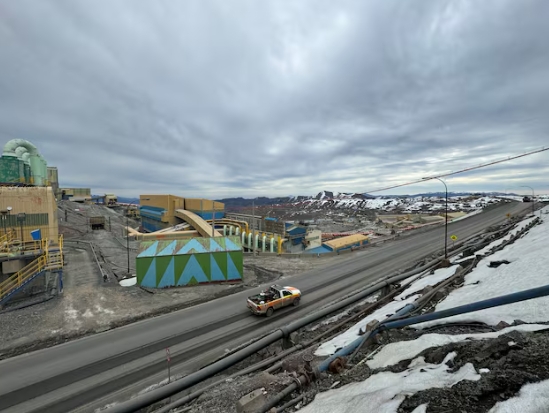
A view shows an area of Codelco El Teniente copper mine, the world's largest underground copper mine, near Rancagua, Chile, Chile July 30, 2024.
In contrast, production at BHP's Escondida mine, the largest copper mine globally, located in Chile's Atacama Desert, declined by 33% to 76,400 metric tons in June 2025. The drop highlights operational challenges faced by the mine, which remains a critical player in the global copper market.
Similarly, the Collahuasi mine, operated jointly by Glencore and Anglo American in northern Chile, saw its output decrease by 29%, totaling 34,300 metric tons for the same period. This reduction underscores the varying performance across Chile's major copper mining operations.
Chile continues to lead global copper production, accounting for nearly a quarter of the world's supply. Codelco's production increase helps support global copper availability, particularly for industries reliant on the metal, such as electronics and renewable energy. Despite the declines at Escondida and Collahuasi, Chile's overall copper output remains vital to its economy, contributing significantly to export revenue and employment.
Maximo Pacheco, Codelco’s chairman, expressed confidence in the sector's outlook: "I am convinced that the long-term fundamentals are very solid, very difficult to change." His remarks, made during an interview in Santiago, highlight the enduring demand for copper driven by global energy transition needs.
The mixed production results come amid efforts to modernize mining operations and address challenges like declining ore grades and rising operational costs. Codelco has invested in technologies such as autonomous drilling and real-time monitoring to boost efficiency, while Escondida and Collahuasi navigate their respective operational hurdles. These developments are critical as global copper demand rises, particularly for applications in electric vehicles and renewable energy infrastructure.