With the rise of distributed energy resources, current monopoly-based electricity network regulations are outdated.
The IEEFA points out several overlooked areas, including improving energy efficiency, reforming electricity network pricing and regulations, addressing methane emissions from coal and gas extraction, and evaluating the economic impacts of new coal and gas projects. Over 1.7 million inefficient gas and electric appliances are installed yearly in Australia, costing households approximately A$3 billion ($1.9 billion) in avoidable energy expenses. Enhancing appliance efficiency could save more electricity annually than needed for transitioning from gas to electric appliances.
The IEEFA analysis reveals that electricity distribution and transmission networks earned A$15 billion in excess profits from 2014 to 2023, alongside A$17.6 billion in standard profits, leading to higher consumer bills and reduced economic efficiency. Current regulations, designed for monopoly-based networks, are outdated as distributed energy resources like household batteries and rooftop solar grow. These technologies could significantly lower peak demand, potentially to zero in some states during summer and winter, but require updated tariffs and incentives.
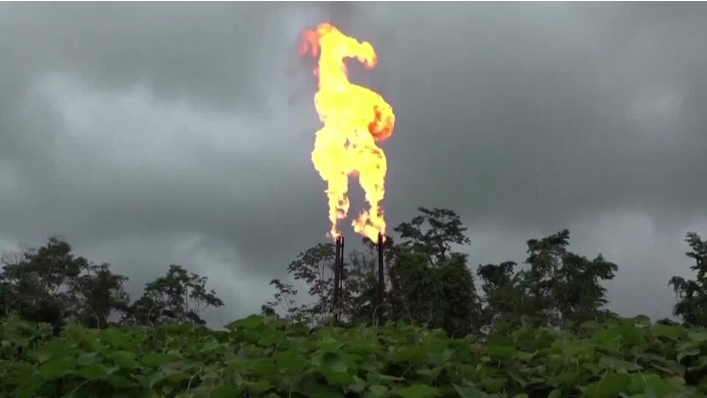
Methane emissions from coal and gas extraction account for at least 20% of Australia’s total emissions, possibly up to 25% if underreporting is considered. The Safeguard Mechanism has not effectively reduced these emissions, which are expected to remain steady until 2035. The IEEFA estimates that recovering approximately 76 petajoules of methane annually, valued at A$950 million, is feasible—exceeding double the projected gas demand for power generation in the National Electricity Market in 2025.
The IEEFA also notes economic risks tied to new coal and gas projects, particularly for liquefied natural gas (LNG) exports. Existing LNG projects in eastern Australia have raised domestic gas prices threefold, contributing to industrial facility closures and reduced gas-based power generation. These projects also generate significant emissions that carbon capture and storage cannot adequately address.
The IEEFA recommends that the Productivity Commission explore these opportunities to advance Australia’s emissions reduction goals while lowering costs for consumers.