United States Nuclear Regulatory Commission logo and U.S. flag are seen in this illustration created on April 23, 2025.
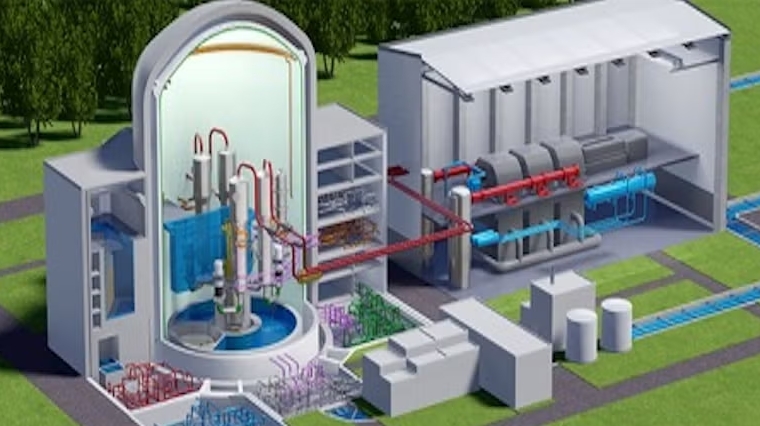
The program responds to rising electricity demand driven by artificial intelligence and data centers. Small modular reactors, which these companies will develop, are designed to be cost-effective per Megawatt of output compared to traditional large reactors. Their components can be mass-produced in factories, potentially reducing construction costs. Each company will cover all expenses for designing, manufacturing, constructing, and decommissioning their test reactors.
Deputy Energy Secretary James Danly emphasized the program’s urgency, stating: “President Trump’s Reactor Pilot Program is a call to action. These companies aim to all safely achieve criticality by Independence Day, and DOE will do everything we can to support their efforts.” The initiative follows executive orders issued by President Donald Trump in May 2025, which streamline permitting for nuclear reactors and allow the Energy Department to authorize test reactors without oversight from the Nuclear Regulatory Commission.
The development of small modular and advanced nuclear reactors faces challenges, including securing permits for grid-connected plants and establishing supply chains for high-assay low-enriched uranium, a fuel some reactors will use. Additionally, building factories to produce reactor components remains complex, as no such facilities currently operate in the U.S. Currently, only China and Russia have operational small modular reactors.
The pilot program reflects a broader push to meet growing energy needs with innovative nuclear technology. By supporting these companies, the U.S. aims to strengthen its position in the global nuclear energy sector while addressing increasing power demands.
In a separate development, Danish wind farm developer Orsted announced on August 11, 2025, a $9.4 billion rights issue, citing challenges in the U.S. offshore wind market. The company stated: “This rights issue is a proactive step to strengthen our financial position amid adverse developments in the U.S. offshore wind sector.” These developments highlight the evolving landscape of energy production, with both nuclear and renewable sources playing key roles in meeting future demand.