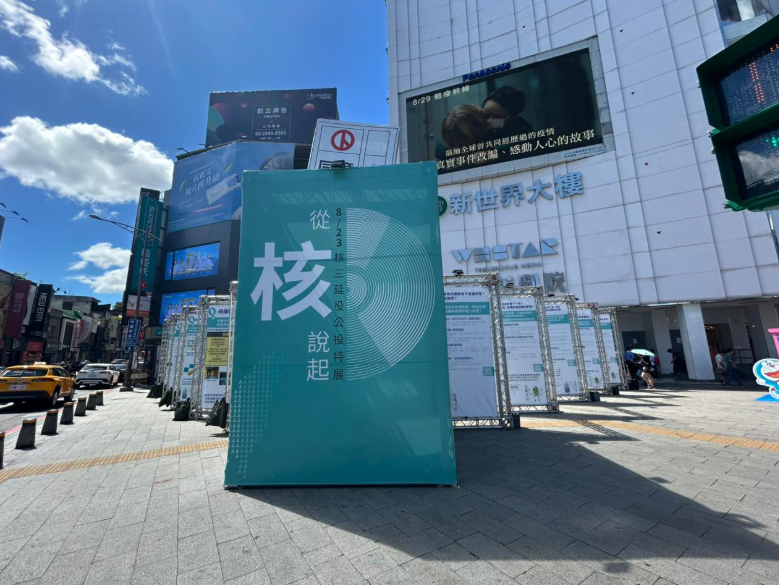
The referendum was proposed by the Taiwan People’s Party (TPP) on April 18, 2025, with support from the Kuomintang (KMT), the main opposition party. The opposition-led local legislature approved the measure on May 20, and the Central Election Commission scheduled the vote for August 23. For the referendum to pass, it requires support from over 25% of Taiwan’s 5 million eligible voters and more “yes” than “no” votes.
Nuclear power once accounted for over 50% of Taiwan’s electricity in the 1980s but dropped to 6% by 2023 as reactors were decommissioned. Taiwan’s three nuclear plants have been phased out since 2018, and a fourth plant was never completed, with a 2021 referendum rejecting its construction. Supporters argue that nuclear energy is vital for an island dependent on imported fossil fuels, emphasizing its low carbon footprint and citing examples of countries like Japan and some EU nations extending reactor lifespans.
“Instead, coal plants are running at full capacity, worsening southern Taiwan’s air quality and harming public health, causing allergies from birth for many children as well as rising cardiovascular disease cases,” said TPP chairperson Huang Kuo-Chang during a televised debate, critiquing the Democratic Progressive Party’s renewable energy progress.
Opponents highlight concerns about seismic risks, unresolved nuclear waste management, and potential delays in renewable energy development. They advocate for a gradual transition to cleaner energy sources, similar to the phased reduction of coal. “Energy transition doesn’t mean shutting something down overnight. For example, if we shut all coal plants today, we’d instantly lose 40% of our power—unrealistic. Instead, we gradually reduce reliance on polluting or risky sources while scaling up cleaner ones,” said Lin Zheng Yuan of the Green Citizens Action Alliance.
Both pro- and anti-nuclear advocates have actively campaigned through rallies ahead of the vote. The referendum’s outcome will shape Taiwan’s energy strategy, balancing sustainability, reliability, and public health considerations in its pursuit of a cleaner energy future.