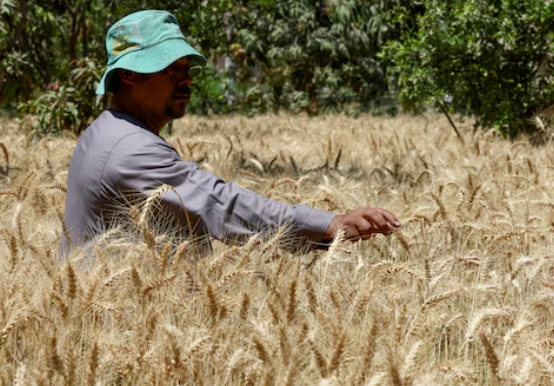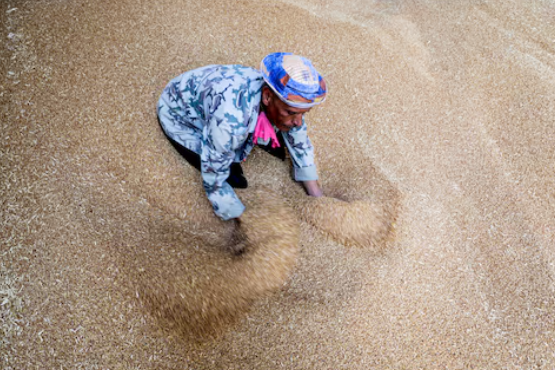
A worker collects wheat at the Benha grain silos in Al Qalyubia Governorate, Egypt, May 19, 2022.
As one of the world’s leading wheat importers, Egypt relies on imports to meet its annual demand, with state agencies typically securing around 5 million tons of the country’s total wheat imports exceeding 12 million tons. In a strategic shift, FoE assumed responsibility for international grain purchases in December, replacing the General Authority for Supply Commodities (GASC), which had historically managed imports through public tenders. FoE’s approach emphasizes private agreements, primarily with local importers.
Recent reports indicate FoE may have secured up to seven panamax vessels of French wheat, potentially exceeding 400,000 tons, over the past two weeks. This includes at least one 63,000-ton shipment scheduled for September 10–20, with payment terms involving 270-day letters of credit. Additional cargoes are expected to arrive in the coming weeks. A German trader noted: “France’s harvest is all but finished, and French supplies are available,” highlighting the availability of French wheat as a key factor in these deals.
The cost of these shipments is estimated at $265 to $270 per ton, including cost and freight, though some deals may exceed $275 per ton. FoE has not disclosed specific pricing or payment details. Egypt’s wheat imports are vital, as the country fell short of its 4 to 5 million-ton target for domestic wheat purchases in the 2024/25 season, which concluded last Friday.
Earlier this year, FoE arranged to import 180,000 tons of French wheat in April, originally planned for May and June delivery but completed in early August. Despite challenges, such as a 30% drop in wheat imports to 4.9 million tons in the first half of the year, FoE’s recent agreements reflect efforts to ensure a stable wheat supply. These imports, combined with private sector purchases, are crucial for maintaining Egypt’s bread subsidy program amid rising inflation and economic pressures.