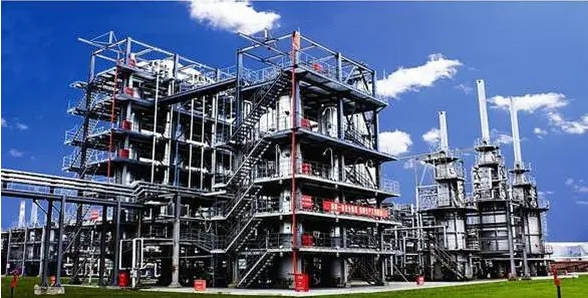
The facility, based in Portland, Victoria, is designed to use biomass residues and renewable electricity to produce green methanol. This low-carbon fuel is targeted for applications in shipping and aviation, supporting global efforts to expand clean energy options in transport. Under a memorandum of understanding signed in 2024, thyssenkrupp Uhde will supply the biomass-to-methanol technology. The partnership combines Uhde’s expertise in chemical engineering with HAMR Energy’s project development capabilities.
The large-scale project will integrate thyssenkrupp Uhde’s PRENFLO gasification process with its green methanol production technology. Through this process, forestry residue will be converted into green methanol and other high-value chemicals. Once operational, the plant is expected to produce 300,000 tonnes of green methanol annually. This output is aimed at supporting industries seeking reliable alternatives to conventional fuels.
The Portland Renewable Fuels Project carries an estimated investment of AUD 2 billion (approximately USD 1.29 billion). According to current timelines, operations are scheduled to begin in 2029. The scale of the facility positions it as a significant contributor to the development of renewable fuels in Australia.
The project has also received financial backing at the state level. The Victorian Government provided AUD 500,000 through its Portland Diversification Fund to support a feasibility study. This funding was intended to strengthen the early development phase and assess the technical and economic viability of the large-scale green methanol facility.
By focusing on the conversion of biomass residues into liquid fuel, the Portland Renewable Fuels Project is expected to deliver both environmental and economic benefits. The use of forestry by-products reduces waste, while the reliance on renewable energy in the production process supports emissions reduction. With global demand for low-carbon fuels rising, the project aligns with industry needs for scalable, sustainable energy supply.
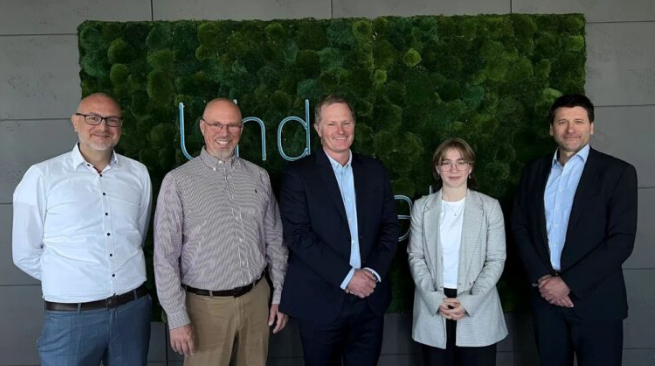
The collaboration between HAMR Energy and thyssenkrupp Uhde reflects an effort to integrate advanced European technology with Australian renewable resources. For HAMR Energy, the project demonstrates a commitment to expanding its role in the renewable fuels sector. For thyssenkrupp Uhde, it underscores the application of its gasification and methanol production systems in new international projects.
The completion of the pre-FEED phase marks a key step toward detailed design and future construction. With its scale, planned output, and timeline, the Portland Renewable Fuels Project is set to become a landmark development in Australia’s renewable energy sector, contributing to the growth of sustainable fuel supply chains.