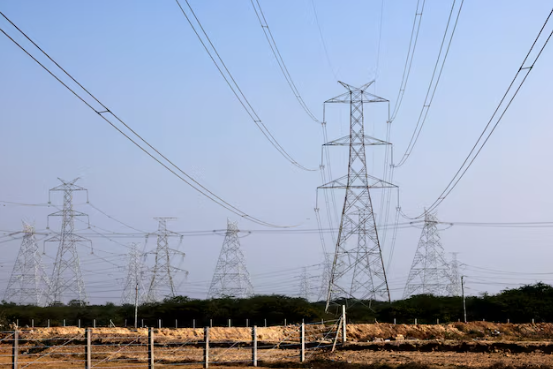
A view shows high-tension electricity power line pylon outside Adani Power's thermal power generation plant at Mundra in the western state of Gujarat, India, November 30, 2024.
The contribution of gas to India’s electricity generation has declined significantly, dropping to 1.5% from 3% in 2020. This reduction is attributed to high gas prices, which have fluctuated between $8 and $18 per million British thermal units over the past two years, with recent prices reaching $12. These costs make gas less competitive compared to other energy sources, such as coal, which accounts for approximately 75% of India’s power mix. Meanwhile, the country is actively working to expand its renewable energy capacity to create a more sustainable energy portfolio.
Ghanshyam Prasad, Chairman of the Central Electricity Authority, stated: “The government had in May drawn up a 100-day plan to ensure gas-based plants could be used if needed to meet demand, and that it provided for a contract structure, including support for startup costs and gas price fluctuations.” This plan outlines mechanisms to support gas-fired plants during high-demand periods, addressing challenges like startup expenses and price volatility.
India has reduced its grid-connected gas plant capacity to 20 gigawatts from 25 gigawatts after assessing that some plants were unsuitable for operation due to prolonged inactivity caused by high gas prices. Last year, approximately 13–14 gigawatts of this capacity were utilized during peak demand periods. However, this year’s heavy rainfall, lower cooling needs, and an economic slowdown have reduced overall power demand. Peak demand reached 242 gigawatts, falling short of the projected 270 gigawatts.
The proposed approach reflects India’s efforts to balance energy reliability with cost considerations. By reserving gas-fired plants for peak summer months, the country aims to ensure a stable power supply during high-demand periods while prioritizing more cost-effective and sustainable energy sources for regular use. This strategy supports India’s broader goal of enhancing energy security and advancing its transition to cleaner energy solutions.