The Waterekke project is set for completion by 2029.
The company is also exploring coordination with its neighboring 300MW Waterkant offshore wind project. Luxcara aims to streamline procurement, contract awards, installation campaigns, and operations to optimize efficiency. To support this, an additional 19 Siemens Gamesa turbines have been reserved for Waterkant, aligning with the Waterekke project’s technology. This decision follows a previous agreement with another supplier in 2024, which Luxcara reconsidered to enhance operational performance.
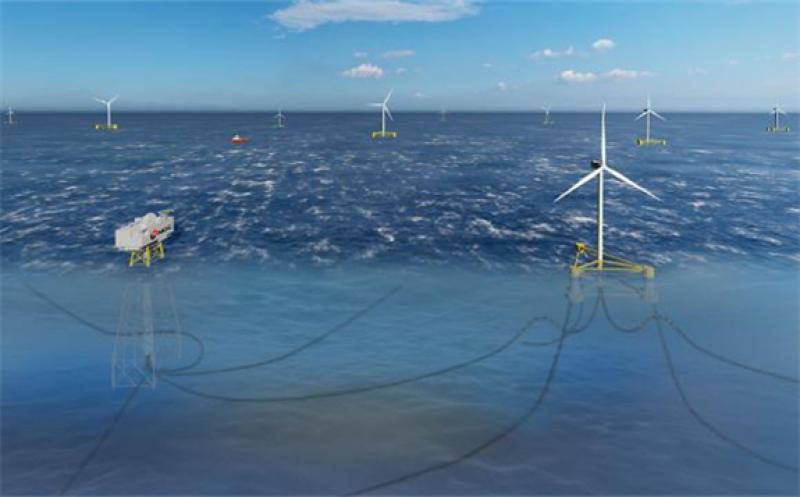
Located in the German Economic Exclusive Zone (EEZ), the Waterekke project, managed by Waterekke Energy GmbH, secured its development rights through an auction in summer 2024. With environmental and geotechnical studies completed, it is on track to connect to the national grid by 2029, providing clean energy to up to two million households. Necessary approval documents have been submitted to the Federal Maritime and Hydrographic Agency.
The Waterkant project, awarded to Waterkant Energy GmbH in a summer 2023 auction, is also situated in the EEZ and is expected to connect to the grid by the end of 2028, supplying renewable energy to approximately 400,000 households. Luxcara has notified relevant authorities, including the Federal Ministry for Economic Affairs and Energy, and project partners about the potential turbine supplier change for Waterkant to ensure alignment with project objectives.
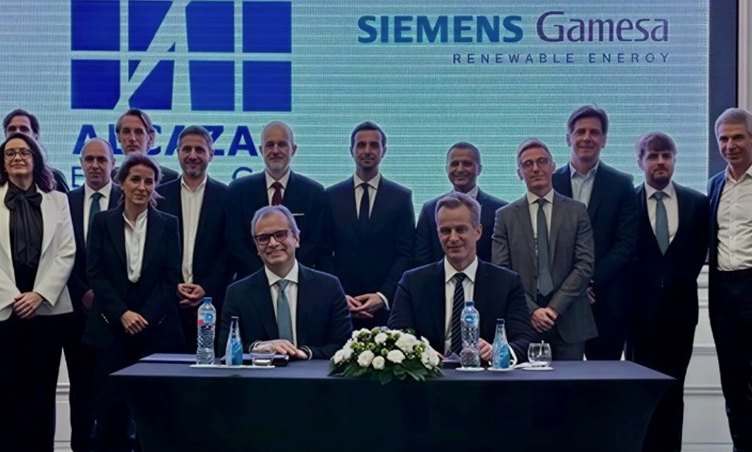
Holger Matthiesen, managing director of both project companies, stated: “Our primary goal is to successfully implement the energy transition. This includes investing in financially sound projects and reliably implementing them with low risk in collaboration with our partners. With the award of our 1.5GW Waterekke project in late summer 2024, we reached an important milestone, and we are pleased to have reserved 97 wind turbines from Siemens Gamesa for this project alone. To explore possible synergies, we are examining the possibility of using Siemens Gamesa turbines for the neighbouring Waterkant project as well. This would enable us to coordinate the development, construction and operation of both projects more closely.”
With a combined capacity of 1.8GW, the Waterekke and Waterkant projects will provide clean energy for up to 2.4 million households annually. These initiatives support Germany’s ambition to expand offshore wind capacity and increase the renewable energy share in its power mix, emphasizing sustainability and cost-efficiency.