Lotte Chemical's headquarters is seen in Seoul, South Korea, June 7, 2016.
Last week, government officials announced that ten South Korean petrochemical companies agreed to cut their naphtha-cracking capacity by 2.7 to 3.7 million metric tons annually, equivalent to roughly 25% of the nation’s total capacity. This includes the upcoming Shaheen project, set to launch next year. The companies are required to submit detailed plans by the end of 2025, according to the industry ministry.
SK Innovation, through its subsidiary SK Geo Centric, which operates a 660,000-ton-per-year cracker in Ulsan, is exploring options, including potentially closing a facility. An SK Innovation spokesperson stated: “The company is considering various options including the possible closure of a cracker.”
Yeochun NCC Co (YNCC), a joint venture between DL Chemical and Hanwha Solutions and the country’s third-largest ethylene producer, may face closures of one or two of its three crackers. Analysts from Citi, led by Oscar Yee, noted: “We see YNCC as the least competitive due to weak financials and (a lack of) integration.” YNCC’s debt-to-equity ratio reached 249% by mid-2025, and its No. 3 cracker was shut down in August, with another unit potentially facing permanent closure.
A DL Chemical spokesperson said: “The industry should participate in (the) restructuring, making sure there’s no free rider.” Hanwha Solutions is also reviewing options and plans to submit its strategy to the government soon. Meanwhile, trade sources indicate HD Hyundai is considering acquiring Lotte Chemical’s naphtha cracker or merging their operations. Lotte, the second-largest ethylene producer in South Korea, declined to comment, while HD Hyundai stated no decisions have been finalized.
The restructuring is expected to reduce demand for naphtha, which accounts for 82% of South Korea’s ethylene production, more significantly than for liquefied petroleum gas. Importing U.S. ethane for ethylene production is an option but would require new infrastructure, according to Catherine Tan, Wood Mackenzie’s head of base chemicals. She added that some companies might opt to mothball smaller, less efficient units instead of investing in maintenance.
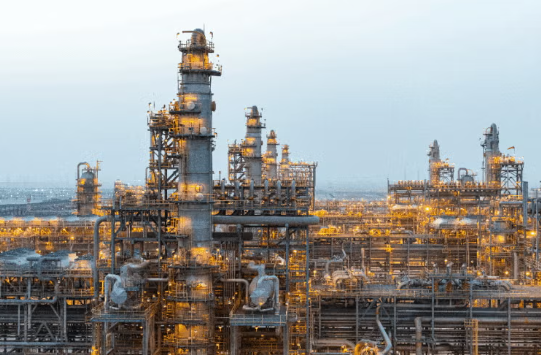
The Shaheen project, led by S-Oil and Saudi Aramco, will add 1.8 million tons per year of ethylene capacity in 2026, potentially offsetting some benefits of the capacity cuts. Analysts from FGE, including Armaan Ashraf, estimate the restructuring process will take 12 to 18 months. He noted: “This wouldn’t save the market by any means, but it would help chip away at overcapacity alongside consolidation by other players such as Europe, Japan and potentially China’s next 5-year plan.”