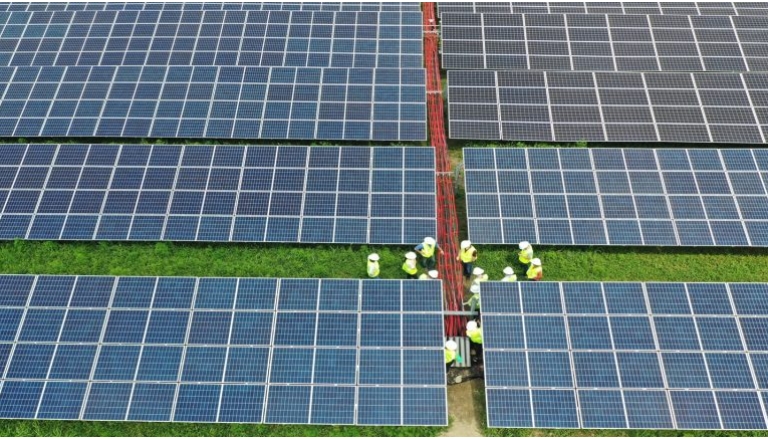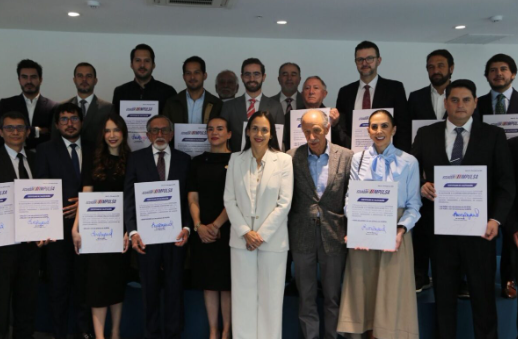
Minister Inés María Manzano awarded enabling certificates to selected companies, granting them exclusive rights to conduct feasibility studies, build, and operate these initiatives. The projects, which include photovoltaic arrays and hydroelectric facilities, have an 18-month period to complete regulatory processes and secure operational permits.
Of the total capacity, 179.1 MW is dedicated to distributed generation projects that will supply electricity to the market through regulated contracts. The remaining 464.6 MW comprises self-generation projects designed to meet companies’ internal energy needs, with the option to sell surplus power to the grid. This approach supports both commercial energy markets and individual consumption requirements.
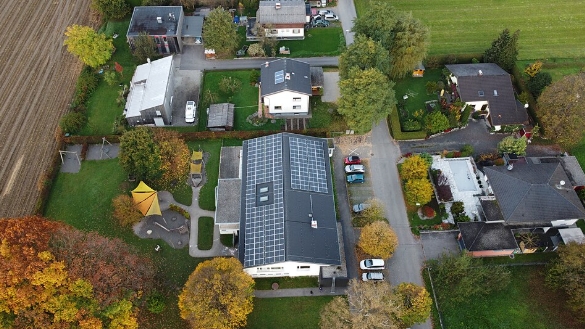
Unofficial estimates suggest Ecuador’s distributed photovoltaic systems have a nationwide capacity of approximately 100 MW, with growing adoption among residential, commercial, and industrial sectors. Regulations facilitate grid connections and allow surplus energy injection, encouraging private investment in solar energy and promoting sustainable development.
In 2024, Ecuador faced an energy crisis, prompting nightly blackouts to manage consumption. In response, the National Assembly passed the Organic Law to Promote Private Initiative in Energy Generation in October 2024. This legislation aims to accelerate renewable energy deployment and attract private investment, paving the way for the current projects.
These initiatives are expected to enhance Ecuador’s energy reliability, reduce reliance on conventional power sources, and support environmental sustainability. By leveraging renewable energy, the country seeks to meet rising electricity demand while fostering economic growth through private-sector participation. The Ministry’s efforts underscore a commitment to modernizing the energy system and ensuring a stable, sustainable power supply.