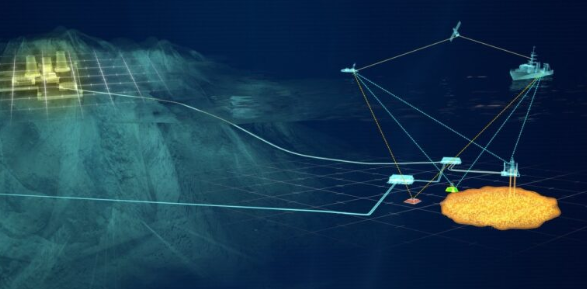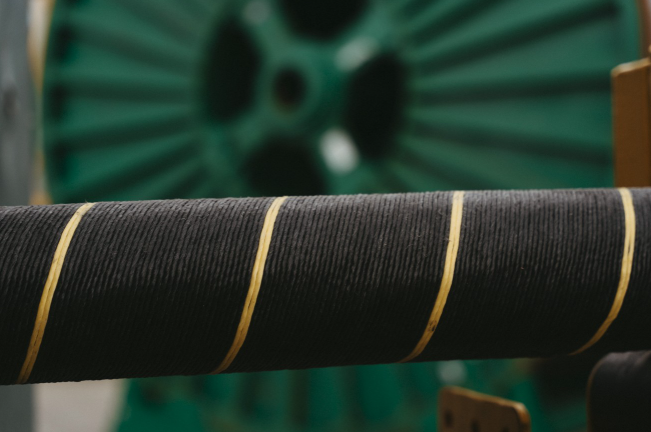
The contract involves designing, manufacturing, and delivering four subsea power cables from JDR’s facilities in Hartlepool and its new high-voltage cable plant in Blyth. These cables, featuring a combination of aluminum and copper cores, include a primary cable connecting the shore to the first offshore platform and three infield cables linking additional platforms. The cables will power the platforms where CO2 is injected for storage, supporting the project’s operational needs.
Rory Graham, Sales Director for Floating Wind & Electrification at JDR, stated: “By connecting the offshore infrastructure to the UK grid with our power cable solutions, we are proudly enabling the safe and efficient injection of CO2, as well as reducing the broader environmental impact of these operations. CCS is a key sector for the UK’s energy transition, and we are delighted to be able to provide domestic subsea cable technology for key projects such as HyNet.”
The Liverpool Bay CCS project forms the backbone of the HyNet Cluster, facilitating the transport of CO2 from industrial capture plants in North West England and North Wales to permanent offshore storage. The initiative repurposes existing offshore platforms and includes 149 kilometers of onshore and offshore pipelines, alongside 35 kilometers of new pipelines to connect industrial emitters to the CCS network.
Eni recently reached financial close with the UK’s Department of Energy Security and Net Zero, advancing the project to the construction phase. The North Sea Transition Authority granted Eni three carbon storage permits, enabling a system to store 109 million tons of CO2 over 25 years. Additional contracts for the project include Saipem’s engineering, procurement, and construction of a CO2 electrical compression station and Rosetti Marino’s delivery of four platforms for CO2 storage. Greek company Corinth Pipeworks, part of Cenergy Holdings, will supply steel pipes.
The project underscores the UK’s commitment to advancing carbon capture and storage as part of its energy transition strategy. JDR’s contribution of domestically produced cables supports the efficient and sustainable operation of the Liverpool Bay CCS initiative, aligning with broader environmental goals.