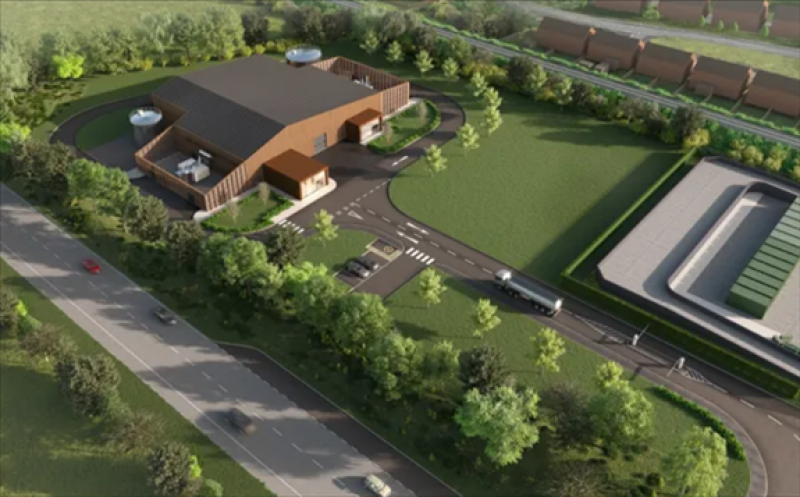
JSE is spearheading the construction of the Kawasaki LH? Terminal on Ogishima Island, which will liquefy hydrogen sourced domestically before expanding to handle overseas shipments by 2030. Selected by Japan’s NEDO agency, the project is a cornerstone of the country’s strategy to build a sustainable hydrogen-based energy network. Mitsubishi’s involvement leverages its 60-year expertise in hydrogen technologies, including steam methane reformers, storage systems, and refueling stations.
The investment aligns with Mitsubishi Chemical Engineering’s strategic focus on green energy, as outlined in its Evolution and Transformation 2.0 plan. A company representative stated: “This is a Quick-Win priority,” emphasizing the importance of hydrogen in its clean energy portfolio. JSE will manage the Kawasaki terminal to supply domestic hydrogen users, with plans to scale up to full import and distribution operations by the 2030s.
JFE Steel, another key investor, highlighted the broader impact of the project: “By participating in the international hydrogen supply chain through this investment, JFE Steel will further promote the widespread use of hydrogen, the ultimate energy source that contributes to decarbonization, and the realization of a hydrogen society. As a company headquartered in Kawasaki, JFE Steel will also contribute to the local community through JSE’s business activities, which will utilize the Kawasaki LH2 Terminal, which will be constructed in the same city.”
The Kawasaki LH? Terminal is poised to play a vital role in Japan’s energy transition, fostering a reliable and sustainable hydrogen supply chain. Mitsubishi’s investment underscores its commitment to advancing clean energy solutions and supporting Japan’s goal of achieving a decarbonized energy future through innovative hydrogen technologies.