TACOIL™ is derived from hard-to-recycle post-consumer plastic waste that would typically be incinerated or landfilled. This innovative product serves as a substitute for traditional naphtha in existing petrochemical facilities, enabling the production of high-quality items such as food-contact packaging and medical-grade plastics. The polymers manufactured at the Geleen plant will increase the availability of circular polymers, which have been utilized by brand owners for various consumer and packaging products since 2019.
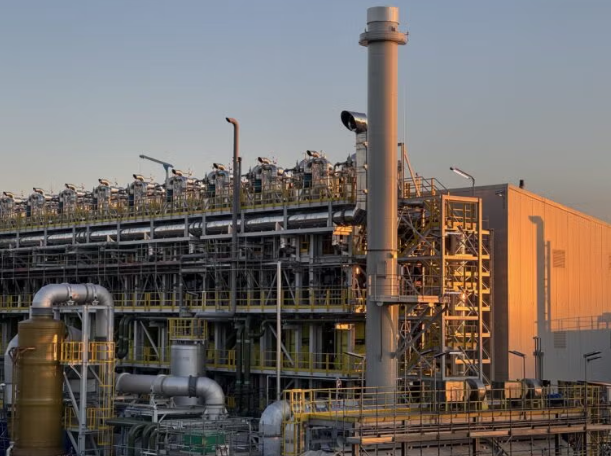
Using Plastic Energy’s patented TAC™ chemical recycling process, the plant breaks down mixed plastic waste through heat in an oxygen-free environment. Once fully operational, the facility is expected to recycle 20,000 tonnes of plastic waste annually, contributing to a more sustainable plastics value chain. The technology, already proven at industrial scale in Plastic Energy’s facilities in Spain, integrates seamlessly into existing petrochemical infrastructure.
The SPEAR facility is a pioneering example of third-party chemical recycling technology being incorporated into an established petrochemical plant. It supports the European Union’s Packaging and Packaging Waste Regulation (PPWR) goal of ensuring all packaging is fully recyclable by 2030. Currently, less than 30% of Europe’s 32 million tonnes of annual plastic waste is recycled, making projects like this vital for advancing recycling efforts.
Ian Temperton, Chief Executive Officer of Plastic Energy, stated: “Producing our first TACOIL™ at SPEAR is a major step forward for the plastic recycling industry. It underscores the capabilities of Plastic Energy’s technology, the robustness of our process and the dedication of our excellent team. We value the collaboration with our project partner SABIC and are proud to have achieved this milestone together. Recycling plastic waste into new plastics is critical to building a circular economy — and that’s exactly what this plant delivers. It boosts recycling rates, helps reduce CO2 emissions by diverting used plastic from incineration, and shows what’s possible when innovation meets scale.”
Supported by a Top Sector Energy Subsidy from the Netherlands’ Ministry of Economic Affairs, the project highlights the potential for innovative recycling solutions to reduce waste, lower emissions, and support a circular economy.