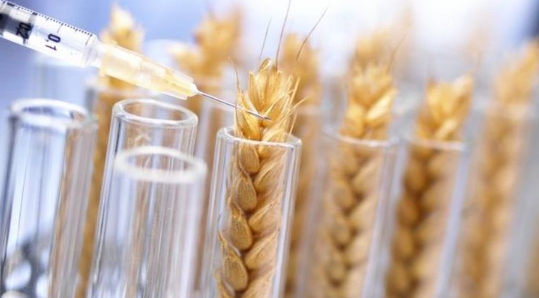
Wheat farming accounts for approximately 18% of global nitrogen fertilizer use. However, plants absorb only 30-50% of this nitrogen, with the remainder contributing to water and air pollution. The new wheat varieties, developed through genetic modification, produce chemicals that trigger a reaction in the soil, generating fertilizer naturally. This approach could significantly decrease the need for synthetic fertilizers, reducing environmental harm.
A University of California, Davis spokesperson stated: “Scientists at the University of California at Davis have developed varieties of wheat that stimulate the production of their own fertilizer, opening the way to reducing air and water pollution around the world and reducing farmers’ costs.” This advancement is expected to lower costs for farmers while mitigating the environmental impact of excess nitrogen in water bodies and the atmosphere.
Eduardo Blumwald, a professor in the university’s plant science department, highlighted the potential for global impact, saying: “This discovery could play a major role in ensuring food security by increasing the productivity of small farms in Africa.” By enhancing crop yields without reliance on traditional fertilizers, the innovation could benefit small-scale farmers in regions with limited access to resources.
The development aligns with efforts to promote sustainable agriculture worldwide. By reducing dependence on nitrogen fertilizers, these wheat varieties could contribute to cleaner water systems and reduced greenhouse gas emissions, supporting environmental conservation. The breakthrough also holds promise for improving food security in developing regions, where efficient and cost-effective farming practices are critical.