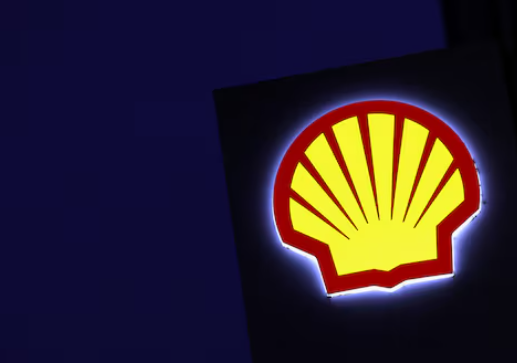
The logo of oil and gas company Shell is seen at a charging station in Brussels, Belgium November 13, 2024.
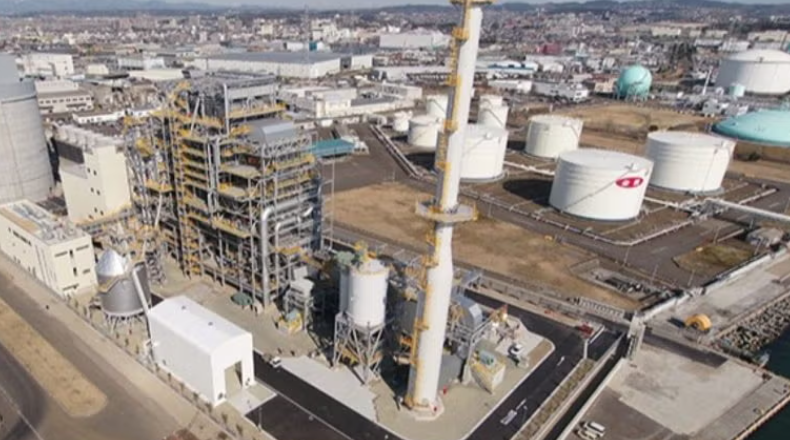
Construction of the facility was first paused in July 2024 due to weak demand and pricing challenges. Shell had initially approved the project in September 2021, with a plan to build a plant capable of producing 820,000 metric tons of biofuels per year. The company originally targeted 2025 for the facility to begin operations.
Machteld de Haan, Shell’s Downstream, Renewables and Energy Solutions President, stated: “As we evaluated market dynamics and the cost of completion, it became clear that the project would be insufficiently competitive to meet our customers’ need for affordable, low carbon products.” She added: “This was a difficult decision, but the right one, as we prioritise our capital towards those projects that deliver both the needs of our customers and value for our shareholders.”
The Rotterdam project had been considered part of Shell’s strategy to expand in renewable energy and provide lower-carbon fuel alternatives for transportation and industry. However, shifting market conditions, combined with higher expected costs, ultimately limited its economic feasibility.
Other large oil companies have also faced challenges in renewable energy projects, with some moving resources back to traditional fossil fuel operations where they retain stronger expertise and more stable financial returns. For Shell, the move reflects a focus on balancing customer needs for lower-carbon products with the company’s commitment to shareholder value and financial discipline.
While the cancellation marks a setback for Shell’s biofuels ambitions in Rotterdam, the company emphasized that it will continue to assess future opportunities in low-carbon energy where projects can be competitive and aligned with long-term strategic priorities.
In summary, Shell’s decision highlights the challenges energy companies face in advancing renewable fuel projects amid fluctuating market conditions and cost considerations. The Rotterdam facility will not proceed, but Shell maintains its intention to pursue viable low-carbon solutions where they can deliver both affordability for customers and sustainable value for investors.