According to GSE, a total of 22,942 projects were selected, representing a combined installed capacity of 1.72 GW. Alongside the approvals, 2,013 projects amounting to 170.5 MW were not granted support under the program. The allocated funding totals €2.35 billion, which fully utilizes the budget earmarked for this round.
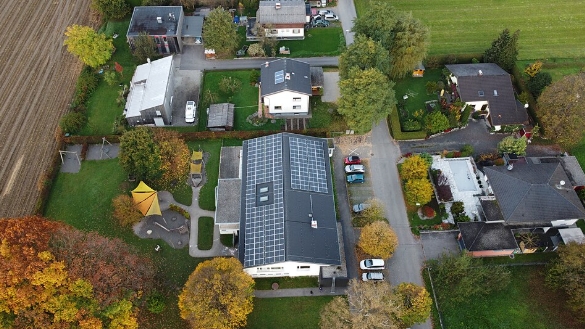
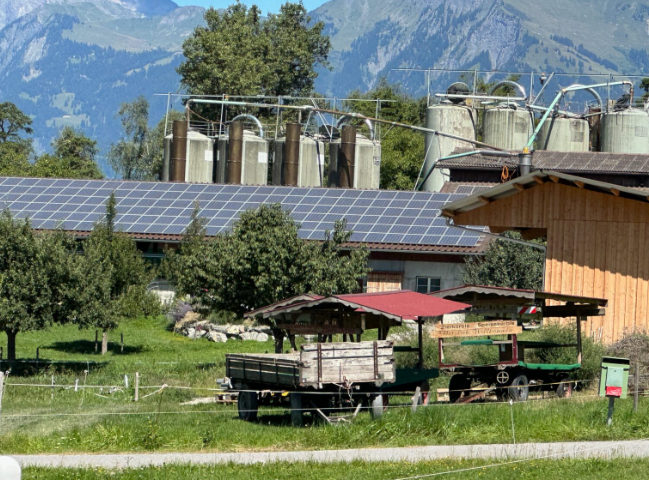
The agrisolar initiative is distinct from Italy’s agrivoltaic programs. While agrivoltaic projects integrate PV systems with agricultural production on the same land, the agrisolar scheme focuses on conventional rooftop installations, providing farmers with a way to generate renewable energy without affecting farmland use. This approach supports sustainability in agriculture while ensuring land remains dedicated to crop or livestock activities.
The announcement follows Italy’s recent progress in advancing agrivoltaic deployment. In December 2024, the country concluded a separate agrivoltaic tender, awarding 1.5 GW of capacity. That round attracted 643 bids totaling around 1.7 GW, demonstrating high interest in dual-use renewable projects. The awarded projects were concentrated in southern Italy, reflecting the region’s solar resources, with additional developments in Lazio and Emilia-Romagna.
Through these programs, Italian authorities are advancing renewable capacity while promoting agricultural resilience. The agrisolar initiative is expected to reduce operating costs for farms, enhance energy self-sufficiency, and align with national and EU-level goals to expand clean energy adoption.
The current tender results show that agricultural businesses across Italy are actively pursuing solar projects to complement their operations. With thousands of approved installations, the initiative is set to strengthen the distributed solar sector and bring wider benefits to rural communities.
By exhausting the available budget, the tender highlights both the scale of demand for solar incentives and the potential contribution of the agricultural sector to Italy’s renewable energy growth. The program underscores the government’s commitment to providing structured support for farmers while accelerating solar deployment across the country.
As Italy balances agrivoltaic and agrisolar initiatives, it is positioning the agricultural sector as a cornerstone of its clean energy transition. Both schemes, though different in design, reflect a broader strategy to harness solar potential in diverse ways, contributing to long-term energy sustainability.
The combination of large-scale participation, significant capacity additions, and dedicated funding signals strong momentum in Italy’s renewable energy landscape, with agriculture playing a central role in the country’s pathway to achieving its climate and energy objectives.