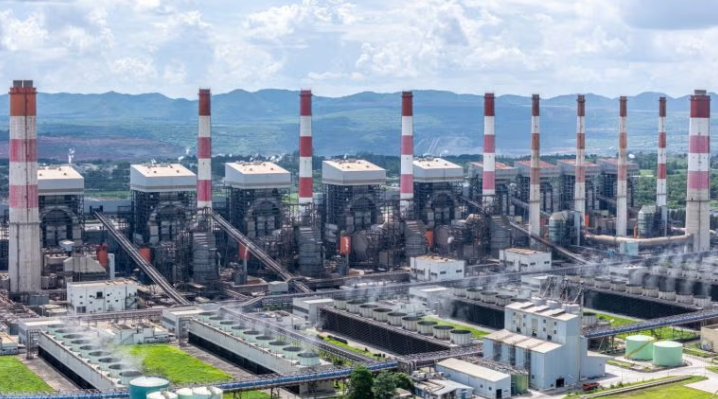
The Indian government plans to boost coal-based capacity by 97GW by 2035.
NTPC’s director of operations, Ravindra Kumar, explained that boilers and turbines could experience greater wear and tear if plants run at the lower threshold for extended periods. He said: “If we operate at that level for long periods, the expected life of a plant – typically 25 years – could be cut by a third or even more.” As a result, the company has opted to keep its technical minimum at 55%, a level Kumar believes provides a better balance between maintaining operational flexibility and ensuring the long-term durability of NTPC’s assets.
The CEA has acknowledged NTPC’s position but continues to support its recommendation. CEA chair Ghanshyam Prasad noted that studies have confirmed the feasibility of operating plants at 40% capacity, provided suitable retrofitting investments are made. “If those (retrofitting) investments are made, the machines can run at lower loads. But it will affect efficiency, and that’s where compensation mechanisms should be considered,” Prasad said.
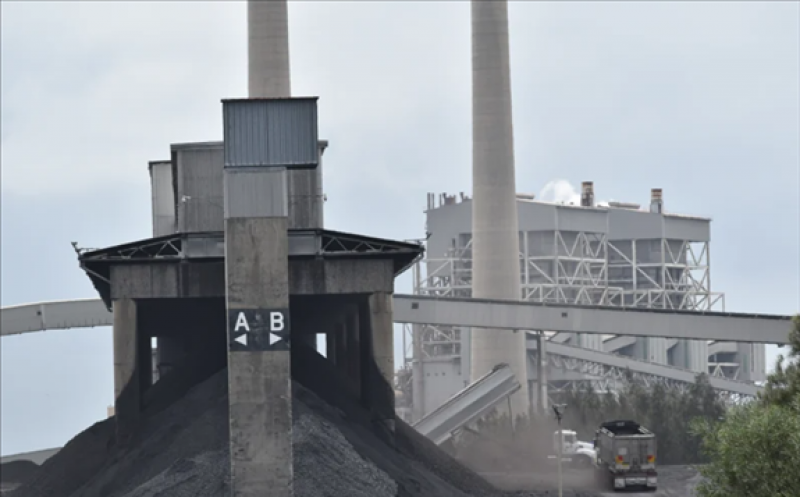
The discussion underscores the challenge of balancing conventional energy operations with the increasing role of renewables. While India is accelerating efforts to add solar and wind capacity, coal remains an essential part of the energy mix. The government has outlined plans to expand coal-based capacity by 97GW by 2035, demonstrating the fuel’s continuing importance for meeting energy demand.
At the same time, NTPC has begun aligning its strategy with broader energy transition goals. In June, the company announced a partnership with Sustainable Energy for All (SEforALL) to develop a roadmap for transitioning to cleaner energy while safeguarding India’s energy security. The collaboration is intended to support the country’s commitments to achieving net-zero emissions.
India’s approach highlights a dual strategy: expanding renewable generation while sustaining coal-based power to ensure reliable electricity supply. The debate between NTPC and the CEA reflects the operational and technical complexities of this process, especially regarding plant efficiency, equipment life, and system integration.
The outcome of these discussions could shape future policies on plant operation standards and compensation frameworks for operators making upgrades to adapt to lower load requirements. For NTPC, maintaining a higher operating threshold is viewed as essential for asset longevity, while for the CEA, flexibility in operation is key to enabling greater renewable penetration.
This balance between conventional and renewable energy sources remains central to India’s long-term power sector development. As new technologies and investment mechanisms evolve, both operational stability and clean energy growth will be important to achieving the country’s energy objectives.