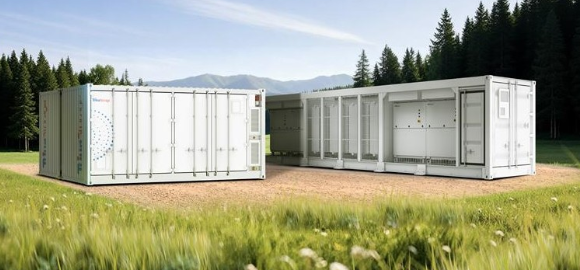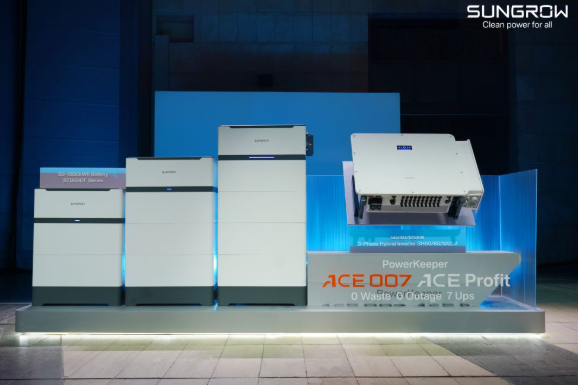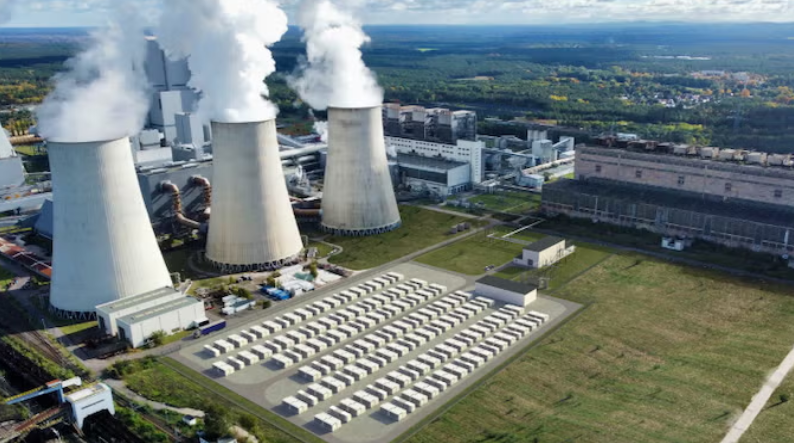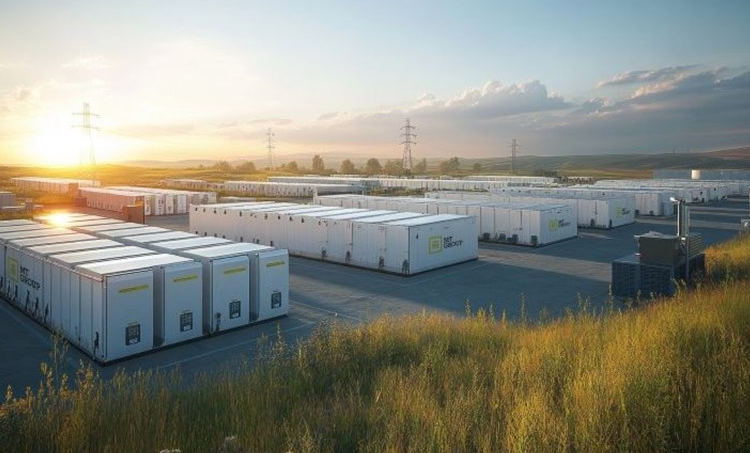
The new systems are intended to strengthen the resilience of Montenegro’s power grid, providing additional flexibility to manage fluctuations in electricity production and consumption. By introducing large-scale energy storage, EPCG aims to increase the reliability of power supply while supporting the country’s transition toward cleaner and more efficient energy infrastructure.
According to project details, the tender will cover the full scope of work. This includes system design, equipment procurement, construction, commissioning, and staff training, as well as ongoing operational support. Maintenance will be structured in two phases. The first component will ensure 10 years of services, covering regular maintenance and monitoring to guarantee uninterrupted performance. The second component will cover years 11 through 20, including replacement of critical parts, upgrades, and continued technical servicing of essential components.
By adopting this two-stage maintenance approach, EPCG aims to secure the long-term efficiency and safety of the storage facilities. The requirement for bidders to provide clear cost breakdowns for both phases of maintenance ensures that lifecycle expenses are transparent and that the systems remain fully operational for at least two decades.
The decision to locate the BESS at EPCG ?eljezara Nikši? reflects the company’s broader strategy of integrating energy solutions with industrial sites, where stable and reliable power supply is crucial. The storage systems will provide backup capacity during peak demand and help balance generation from diverse energy sources, contributing to greater grid flexibility.
Montenegro’s electricity sector has been increasingly focused on modernizing infrastructure to respond to rising consumption and integrate renewable energy resources. The planned storage systems represent an important step in this direction, as they will allow excess power to be stored during periods of low demand and released when consumption increases. This not only supports grid stability but also enhances energy efficiency.
The EPCG project underscores the growing role of battery storage in national energy strategies worldwide. By committing to long-term operation, maintenance, and upgrades, EPCG is aligning its investment with international trends that emphasize sustainability and technological reliability in the power sector. Once completed, the systems are expected to significantly improve the country’s energy security and contribute to its overall economic resilience.