'By working with Shell and the Port of Portland to tap into existing infrastructure, we're able to access SAF at more airports and continue to prove its viability and ultimately scale it in a way the industry needs'.
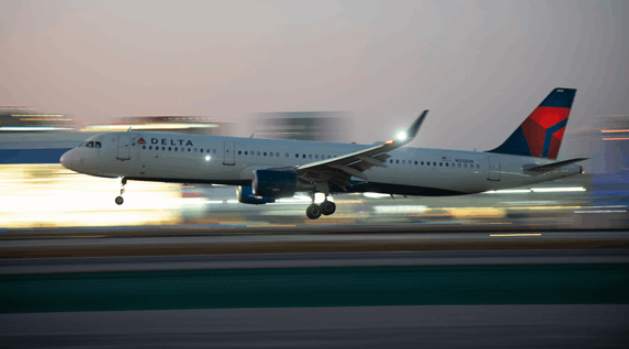
Shell supplied more than 400,000 gallons of neat SAF to Zenith Terminal in Portland. The fuel was blended with conventional jet fuel to comply with regulatory standards before being transported to PDX through a combination of barge, truck, and pipeline. The blended SAF entered the airport’s private fuel system earlier this month.
Delta’s SAF Director Charlotte Lollar said: "Every SAF delivery is a powerful example of how industry collaboration can unlock markets for sustainable aviation fuel. By working with Shell and the Port of Portland to tap into existing infrastructure, we're able to access SAF at more airports and continue to prove its viability and ultimately scale it in a way the industry needs".
Dan Pippenger, Chief Aviation Officer at the Port of Portland, also welcomed the initiative: "We're excited about this step toward bringing sustainable aviation fuel to PDX. It's a move that can help improve local air quality and cut down on greenhouse gas emissions, which is great news for our communities".
Delta explained that SAF is a renewable alternative to jet fuel that can reduce lifecycle emissions by more than 80 percent. It is compatible with existing fuel infrastructure and aircraft engines, making it a direct substitute for traditional fuels. However, current production remains limited, costly, and represents less than one week of global flight demand.
To address these challenges, Delta has been working at both local and national levels. Locally, it is collaborating with the Port of Portland and other stakeholders to develop a SAF market. On a broader scale, Delta advocates for policies and incentives to encourage production and affordability. These include the 40B SAF Blenders Tax Credit and the 45Z Clean Fuel Production Credit, both extended through 2029, which are intended to accelerate the growth of SAF supply in the United States.
This latest step follows Delta’s earlier SAF deliveries at Minneapolis–St. Paul International Airport and Detroit Metropolitan Wayne County Airport. With the addition of Portland, the airline continues to expand its SAF footprint, aiming to create a consistent supply chain that supports its long-term environmental goals.
The cooperation among Delta, Shell, and the Port of Portland demonstrates how partnerships can help advance the integration of sustainable fuels into aviation. The company noted that expanding SAF availability is key to scaling its use across the industry and supporting broader efforts to reduce emissions in air travel.