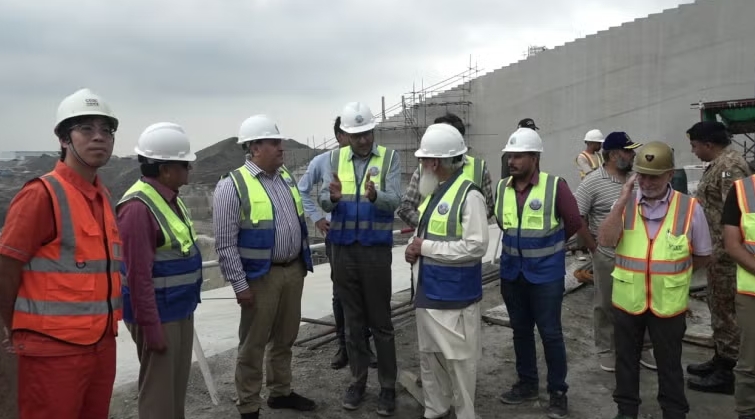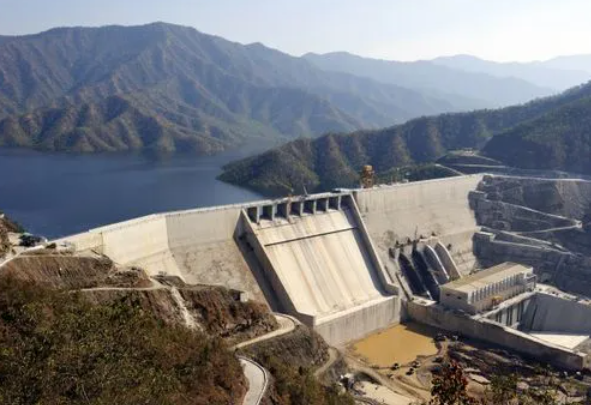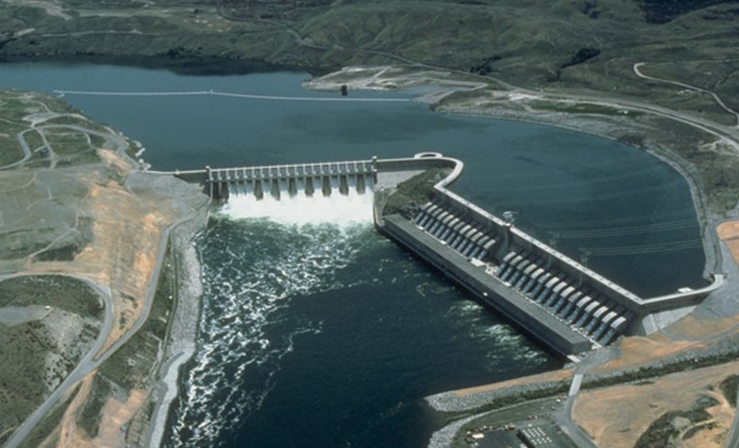
The dam’s generation capacity has gradually grown since the first turbine was switched on in 2022. With its output now reaching 5,150 MW, GERD ranks among the 20 largest hydroelectric dams worldwide, operating at about one-quarter of the scale of China’s Three Gorges Dam. At the inauguration ceremony, an Ethiopian fighter jet flew over the site, while Prime Minister Abiy Ahmed addressed guests beneath a canopy displaying the national flag. The event was attended by dignitaries including the presidents of Somalia, Djibouti, and Kenya.
Abiy said: “To our (Sudanese and Egyptian) brothers; Ethiopia built the dam to prosper, to electrify the entire region and to change the history of black people. It is absolutely not to harm its brothers.” He emphasized that the project will expand electricity access, benefiting nearly half the population who had no power as recently as 2022, while also creating surplus energy for export.
The government noted that the dam’s reservoir, which has flooded an area larger than Greater London, will help regulate water flow, supporting irrigation and reducing risks from drought and floods. Local residents have also begun to experience changes. Sultan Abdulahi Hassan, a farmer near the site, said: “We now have refrigerators. We can drink cold water. We now use electricity for everything.”
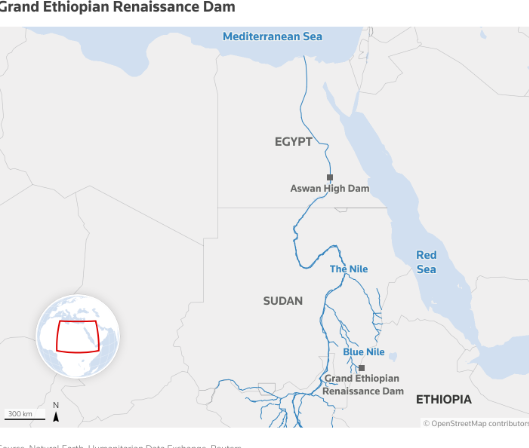
Since construction began in 2011, the project has drawn close attention from downstream countries. Egypt, heavily reliant on the Nile for fresh water, has expressed concern that GERD could limit its supply during dry years. Its Foreign Ministry wrote to the United Nations Security Council, and Cairo has called the project a challenge to established water agreements. Egypt’s population of about 108 million depends on the Nile for nearly 90% of its water.
Sudan has also asked for binding agreements on how the dam is filled and operated. At the same time, observers note that Sudan could benefit from improved flood control and access to affordable power.
Ethiopia has defended its approach, explaining that filling of the reservoir has been phased since 2020 in a way that avoids major disruptions downstream. Independent research supports this, pointing out that rainfall patterns and careful management have so far maintained water flows.
Nationally, the dam has become a symbol of unity. Mekdelawit Messay, an Ethiopian water researcher, described GERD as “a banner to rally under, and it shows what we can achieve when unified.” According to local reports, 91% of financing came from the government, while Ethiopians contributed the rest through bonds and donations.
While the additional power supports industries, including digital operations such as bitcoin mining, rural electrification remains limited by transmission infrastructure. The World Bank reported that by 2022, urban areas had a 94% electrification rate, while only 55% of the overall population had access.