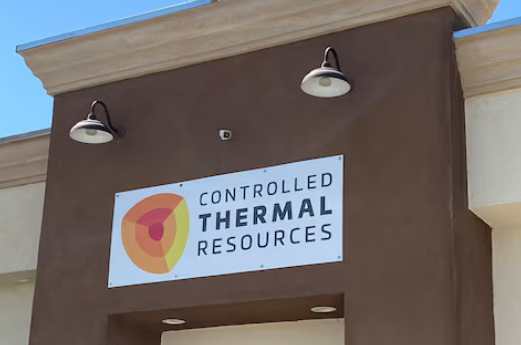
A logo of energy and critical minerals company Controlled Thermal Resources is seen at corporate headquarters in Imperial, California, U.S. September 16, 2021.
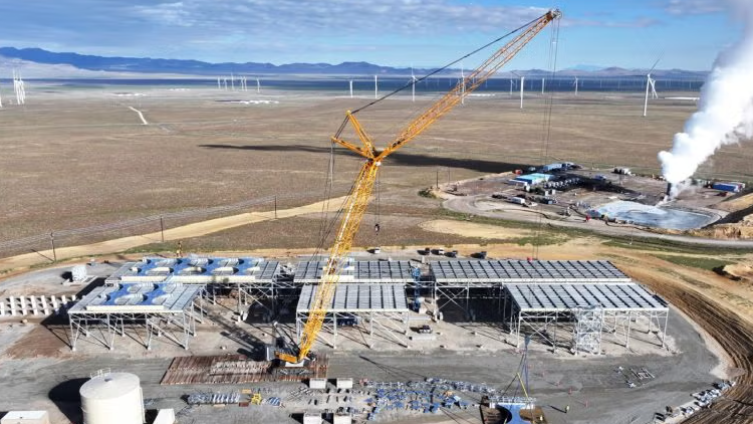
CTR has been developing the Hell’s Kitchen geothermal and critical minerals project for about 13 years on roughly 4,500 acres around the Salton Sea in Imperial County, California. The company said Baker Hughes has joined the second phase of the project, which is designed to generate 500 megawatts of electricity, enough to power approximately 375,000 homes, with the potential for further expansion.
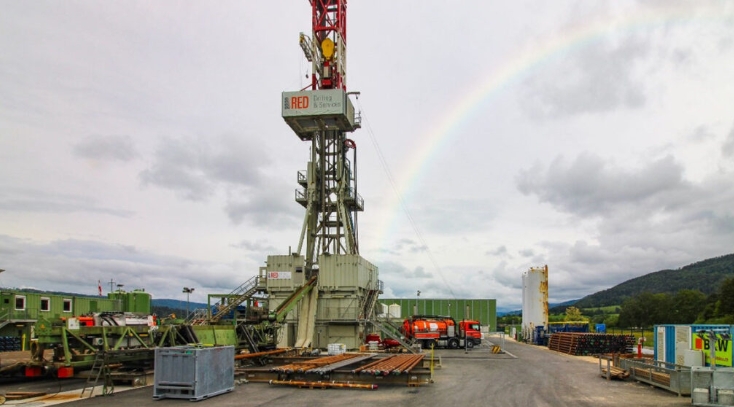
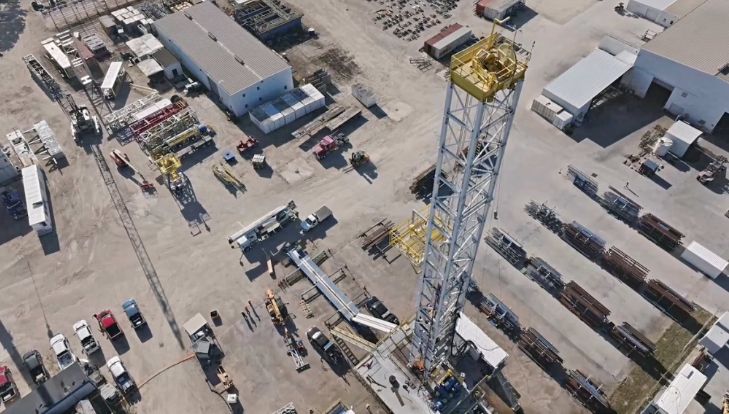
Baker Hughes will provide high-temperature drilling technology, power systems, and services originally applied in oil and gas operations to help reduce costs and improve efficiency. CTR CEO Rod Colwell said: “That kind of expertise is very powerful.” In addition, Baker Hughes will assist in raising capital for the project, which CTR did not disclose in detail.
Geothermal power has been a long-standing but limited energy source in the United States, accounting for less than 0.5% of the country’s electricity supply due to high initial investment requirements. However, demand from major technology companies has created new opportunities for the industry. Meta announced in June that it signed agreements for geothermal power in New Mexico to support its data centers, while Google secured geothermal energy from Nevada last year.
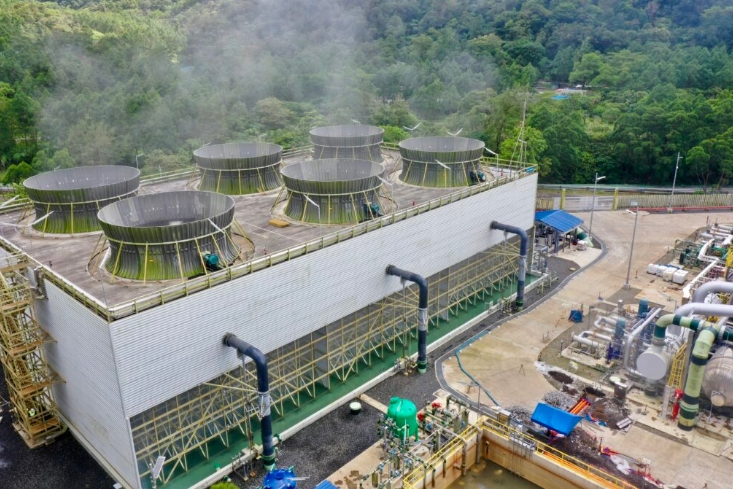
The technology involves drilling wells deep underground to release extremely hot brine, which produces steam used to drive turbines. According to the U.S. Energy Information Administration, geothermal plants emit about 99% less carbon dioxide than fossil fuel facilities, making them one of the lowest-emission power sources available.
CTR is nearing a final investment decision on the first phase of Hell’s Kitchen, which involves 50 megawatts of electricity already contracted to the local utility. Commercial operations for that phase are targeted to begin in 2027. The larger second-phase plants, supported by Baker Hughes, are expected to begin operations in the late 2020s.
By combining geothermal technology with oilfield expertise, Baker Hughes and CTR aim to create a scalable energy solution to meet rising demand from data centers and industrial users. The partnership underscores the role of geothermal resources as a reliable complement to other renewable energy sources, particularly in regions with abundant underground heat.
With the Hell’s Kitchen project moving forward, geothermal power could expand its contribution to U.S. electricity supply, supporting both local communities and the growing energy requirements of advanced technologies.