Outokumpu logo is seen at the company's head office in Helsinki, Finland May 22, 2018.
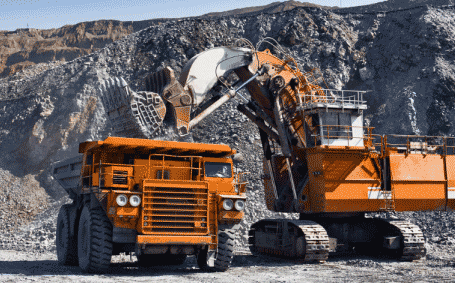
The collaboration will launch a joint development project that utilizes chromium from Outokumpu’s Kemi mine in Finland. This material will be integrated into Boston Metal’s molten oxide electrolysis (MOE) technology, which is designed to reduce emissions from steel production. The process seeks to eliminate heavy greenhouse gas outputs traditionally associated with the industry.
Boston Metal has been working to commercialize MOE by developing equipment that can operate at scale. The technology is considered one of the promising solutions to decarbonize steelmaking, which remains one of the largest industrial sources of carbon emissions. By combining Boston Metal’s innovative process with Outokumpu’s chromium resources, the two companies aim to accelerate the path toward carbon-neutral steel production.
Outokumpu highlighted the agreement as part of its long-term growth and sustainability plan. Stefan Erdmann, the company’s chief technology officer, said: “The joint development showcases our ability and commitment to drive our newly announced EVOLVE strategy for 2026–2030 forward.” The EVOLVE strategy focuses on innovation, efficiency, and sustainability as core drivers of Outokumpu’s business over the coming decade.
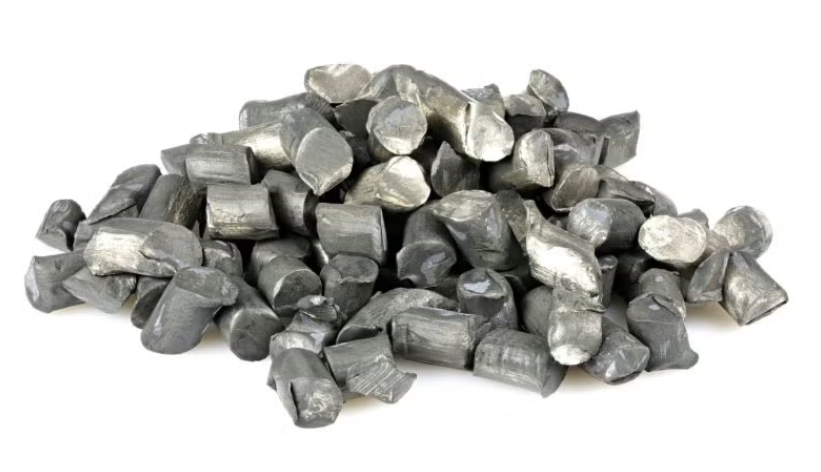
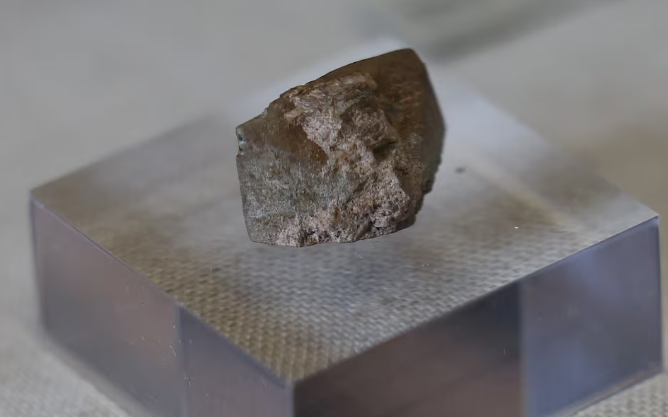
Chromium, a critical component of stainless steel, plays a significant role in Outokumpu’s operations, with the Kemi mine providing a stable domestic supply. Integrating this resource into next-generation decarbonization technology aligns with the company’s goals to both maintain competitiveness and support broader energy transition efforts.
For Boston Metal, the partnership strengthens its ability to test and scale its MOE process with high-quality raw materials sourced from a reliable producer. The company’s work has attracted growing attention in the global metals sector, as industries and governments seek practical solutions to lower emissions in heavy manufacturing.
The steel industry accounts for a significant portion of industrial emissions worldwide, making advances in low-carbon production methods increasingly important. Collaborations between established producers and technology developers are seen as essential to achieving cost-effective, scalable solutions.
Outokumpu and Boston Metal’s cooperation highlights how mining and technology innovation can combine to address climate-related challenges while supporting industrial demand. The project is also expected to generate insights into how carbon-free metals can contribute to building cleaner energy systems and more sustainable infrastructure globally.
By aligning resources, expertise, and strategic goals, both companies are positioning themselves at the forefront of the shift toward environmentally sustainable steel production. The memorandum of understanding marks an early step in a partnership aimed at enabling new commercial pathways for carbon-free metals and supporting long-term industrial transformation.