A crane unloads coal from a cargo ship at the Deendayal Port in Kandla, in the western state of Gujarat, India, September 25, 2024.
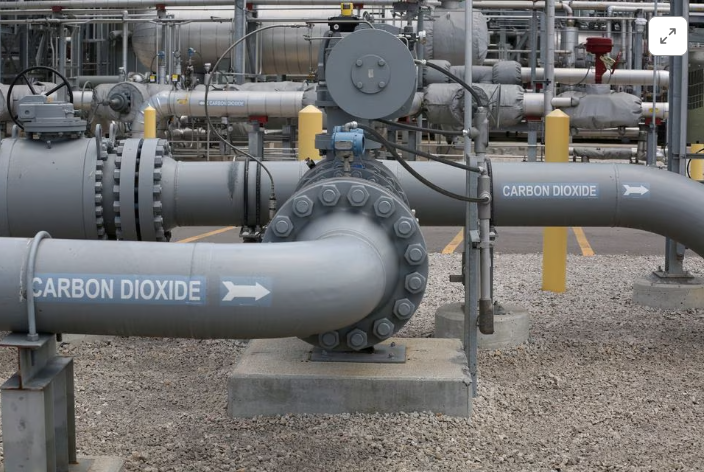
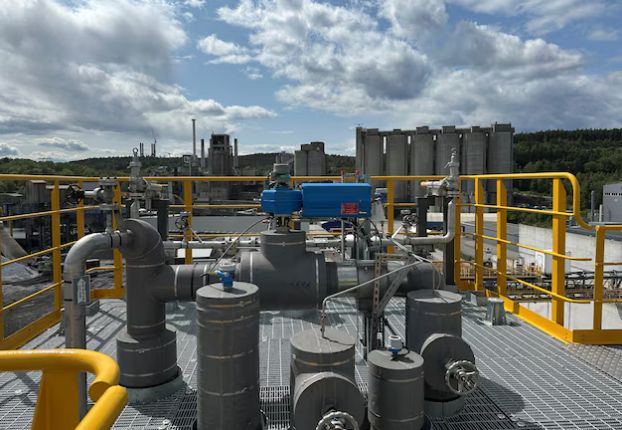
The program will focus on promoting carbon capture, utilization, and storage (CCUS) technologies. According to Ram, the government could provide financial support ranging from 50% to 100% for selected projects. CCUS technology either removes CO2 from the atmosphere or captures it directly at the point of emission for underground storage.
Ram emphasized: "These incentives will help industries adopt carbon capture technologies and integrate them with coal-based energy systems." He noted that electricity demand in India continues to rise, and coal will remain a central part of the energy mix over the next two decades. He added: "We cannot be subjective about coal. The question is how sustainably we can use it."
In his remarks, Ram also said that converting coal into synthetic natural gas could reduce India’s natural gas imports by nearly 50%. However, he acknowledged that the commercialisation of this technology remains a challenge.
India is working toward expanding its non-fossil fuel capacity to 500 GW by 2030, but coal remains essential for energy security. Government plans include increasing coal-based capacity by 97 GW by 2035, which would bring the total to around 307 GW, ensuring reliable power supply. Authorities are also exploring how carbon capture can be combined with coal gasification projects to offset emissions.
The initiative reflects India’s approach of developing new technologies to manage its energy transition while ensuring affordable and stable supply. By providing incentives for CCUS, the government aims to encourage industries to adopt innovative solutions that can reduce emissions without compromising energy availability.
Globally, multiple countries have launched CCUS projects, and the International Energy Agency has stated that the technology can play an important role in achieving climate targets. India’s plan to integrate carbon capture with coal-based systems highlights the increasing importance of technological innovation in supporting sustainable energy pathways.