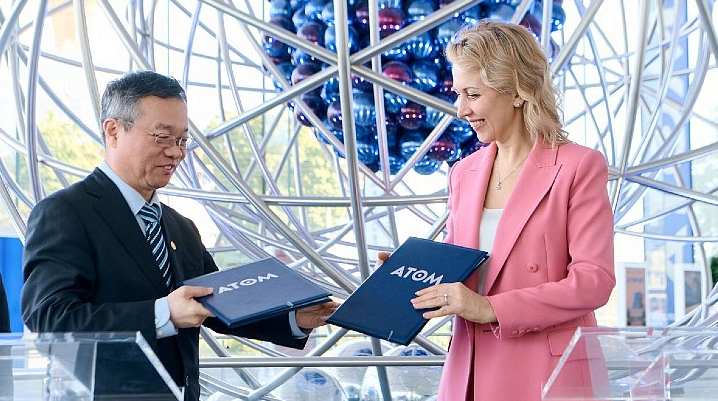
According to both parties, the MoU sets the framework for collaboration in “developing a human-centred approach to training and development,” with initiatives including cooperation between youth and women’s industry groups in both countries. The agreement aims to foster long-term partnerships and enhance workforce capabilities in the nuclear sector.
Speaking at the signing, Terentieva stated: “We are always open to dialog and interested in developing partnership with China National Nuclear Corporation in the personnel area, including in the multilateral format that we have established within the framework of the BRICS Nuclear Energy Platform. We are convinced that the agreement and roadmap signed today will clearly define the stages, goals, and areas of responsibility, which will certainly increase the effectiveness of our joint work. We hope to strengthen bilateral cooperation in the development of the high-tech labour market and personnel potential.”
The signing took place during a CNNC delegation’s visit to Russia, which included stops at the Rosatom Technical Academy in Obninsk and the Rosatom Corporate Academy in Moscow. These visits allowed CNNC representatives to gain insight into Rosatom’s training infrastructure and exchange perspectives on approaches to human resource development.
The memorandum highlights the importance of building structured programs for personnel training and expanding opportunities for technical exchange. By focusing on talent development and collaborative learning, both organizations aim to ensure the availability of skilled professionals to meet the demands of the nuclear energy industry.
The roadmap outlined under the agreement is expected to clarify implementation steps, define key objectives, and allocate responsibilities, creating a more efficient basis for cooperation. It also supports the wider goal of preparing qualified personnel for future nuclear energy projects while promoting inclusivity in the industry.
The partnership demonstrates an emphasis on people-oriented cooperation, which both sides see as central to advancing shared goals in nuclear energy. Through exchange programs, joint initiatives, and specialized training, the collaboration is positioned to contribute to the development of human capital and the strengthening of professional networks.