Biomethane, also known as bio-LNG, is central to Hapag-Lloyd’s decarbonization strategy. The company has set a goal of achieving net-zero fleet operations by 2045. By adopting waste-based renewable fuels, Hapag-Lloyd aims to cut emissions across its fleet while helping customers reduce emissions within their supply chains.
Jan Christensen, Senior Director Global Fuel Purchasing at Hapag-Lloyd AG, commented: “This agreement helps secure the fuel certainty and supply reliability we need to further expand the use of waste-based renewable fuels across our fleet… Collaborations like this demonstrate that true leadership in shipping means acting now – using lower-emission fuels already available today and not waiting for future solutions.”
Dexter Belmar, Shell’s Vice President Global Downstream LNG, said: “Bio-LNG is no longer a concept – it’s here, and it’s fueling the next chapter of shipping decarbonization. These long-term deals help build the confidence needed to scale renewable fuels.”
The liquefied biomethane supplied under the agreement is ISCC EU certified. This certification ensures that the feedstock production meets sustainability standards, provides traceability of products through the supply chain, and confirms verified reductions in life cycle emissions.
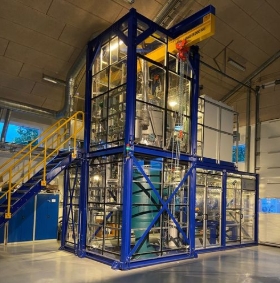
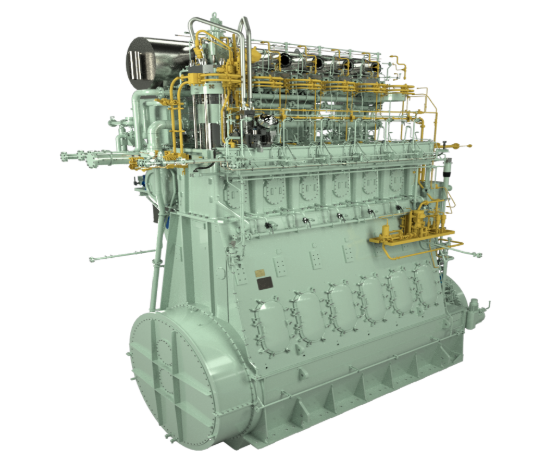
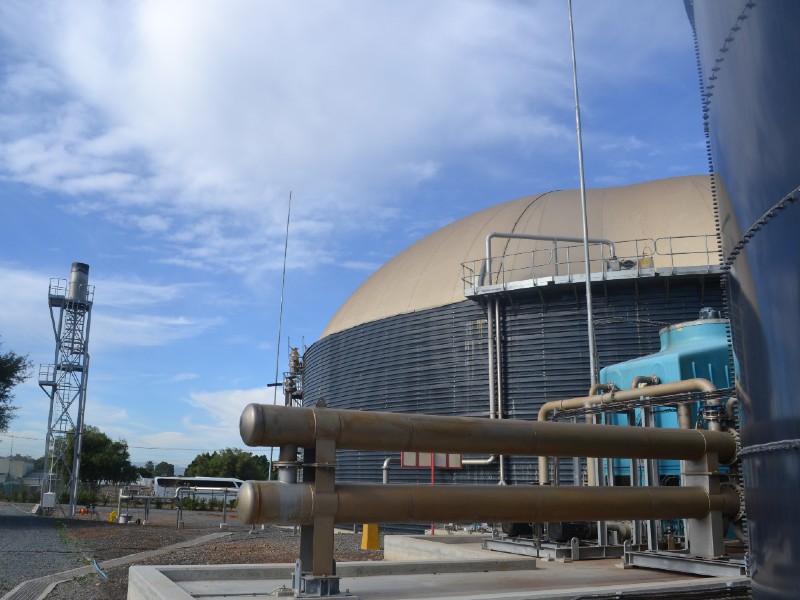
Biomethane is considered a drop-in fuel, allowing Hapag-Lloyd’s LNG dual-fuel vessels to shift to renewable fuels without requiring equipment modifications. Produced from organic waste such as crop residues, livestock manure, and food waste, biogas is upgraded to biomethane by removing CO? and impurities. The biomethane is then liquefied after being fed into the local gas grid and supplied to vessels on a mass-balanced basis.
In February 2023, Hapag-Lloyd had already signed a multi-year agreement with Shell Western LNG for the supply of conventional LNG. That supply supports the company’s twelve ultra-large dual-fuel container vessels, ordered from Hanwha Ocean in South Korea, formerly Daewoo Shipbuilding & Marine Engineering (DSME).
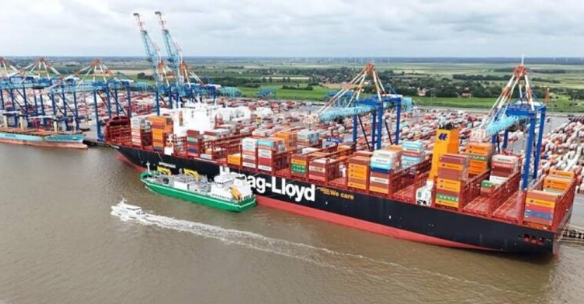
By June 2025, Hapag-Lloyd received the twelfth and final vessel of the Hamburg Express class, completing the fleet of eco-friendly containerships. These ships, described as the largest to sail under the German flag, are now deployed on East-West trade routes connecting Asia and Europe.
Through this new agreement with Shell, Hapag-Lloyd continues to expand its use of renewable fuels, positioning bio-LNG as a practical and scalable solution for reducing emissions in global shipping operations.