Equinor logo is seen displayed in this illustration taken, May 3, 2022.
One consortium includes Equinor and Eni’s Vårgrønn, while the other is formed by Deep Wind Offshore Norway AS and EDF Renouvelables International. The tender concerns development rights for projects of up to 500 megawatts at the Utsira Nord site off Norway’s southwest coast.
Norway, a major oil and gas producer, is seeking to expand renewable power production significantly in the coming decades to meet rising demand as industries work to reduce emissions. “Offshore wind is one of the government’s priority areas to ensure enough power in the years ahead,” Energy Minister Terje Aasland said in a statement.
The ministry will now review the bids and expects to announce whether the applications meet the requirements in the first half of 2026. The selected applicants will then have two years to develop their projects before entering an auction for subsidies between 2028 and 2029. Only one winner will receive direct financial support.
Equinor’s head of Norwegian renewables, Siri Espedal Kindem, noted in a statement that there is currently no financial commitment from the partners in its consortium, emphasizing that profitability remains a crucial condition for moving forward.
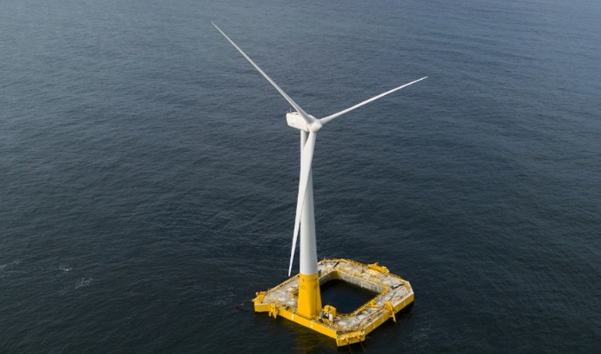
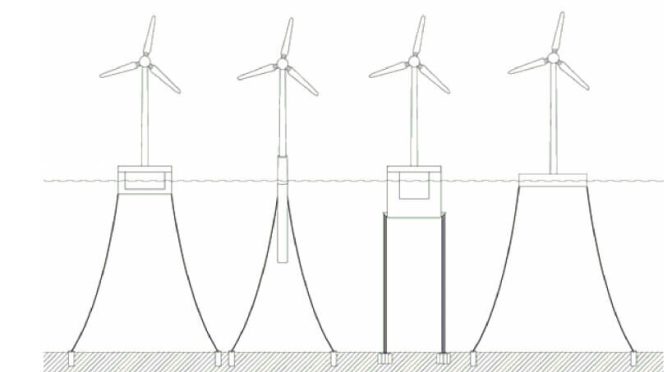
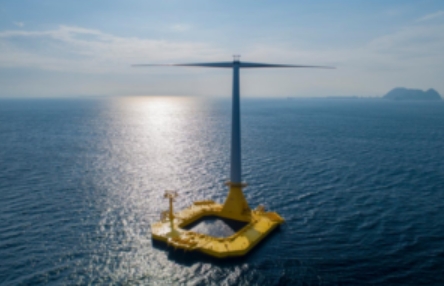
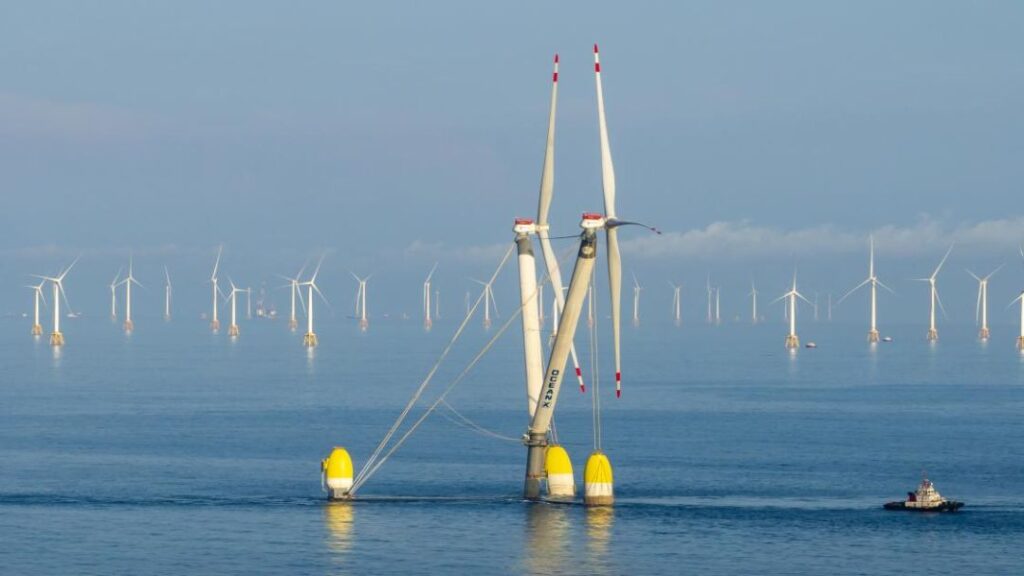
Norway has set a subsidy cap of 35 billion Norwegian crowns ($3.37 billion) for the Utsira Nord project. The cap reflects the early stage of floating wind technology, which is designed for deeper waters where fixed-bottom foundations are not suitable.
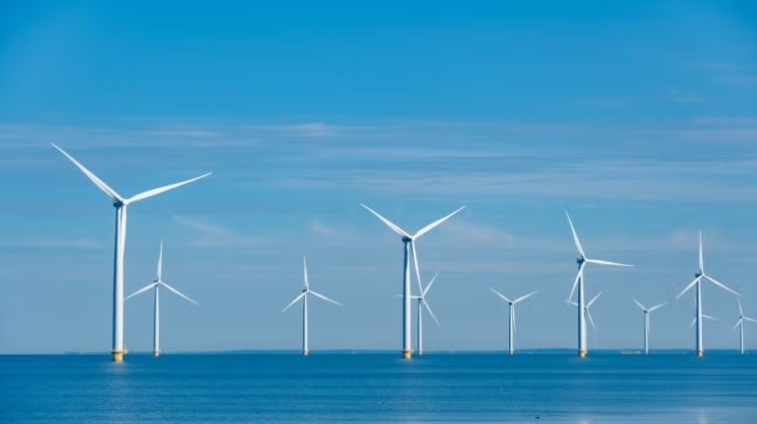
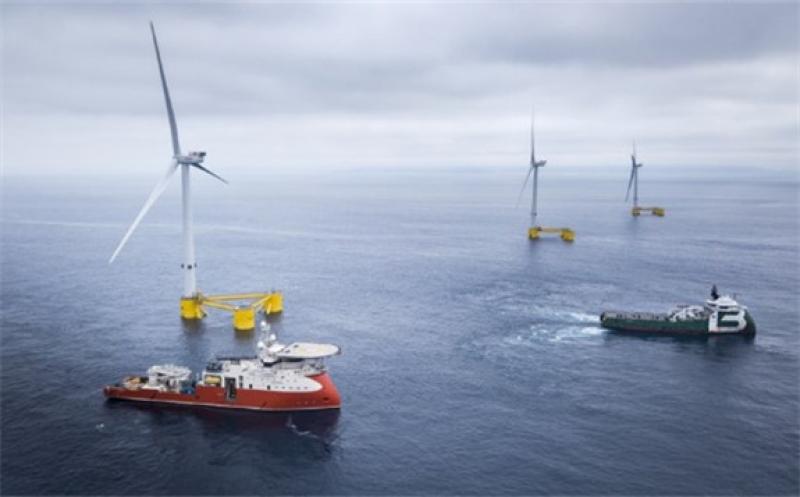
Floating offshore wind is considered an important opportunity for Norway, given its deep coastal waters. The government has already awarded its first bottom-fixed offshore wind license in 2024 but announced that future tenders will focus exclusively on floating wind development.
By 2040, Norway aims to allocate areas for a total of 30 gigawatts of offshore wind power. The Utsira Nord tender is a step toward achieving that long-term goal, providing a pathway to diversify the country’s energy mix while reinforcing its position as a leader in renewable energy development.
The involvement of leading European companies highlights growing interest in floating wind as part of the broader energy transition. While challenges remain, including cost competitiveness and infrastructure requirements, the government sees these projects as key to ensuring energy security and supporting industrial demand in the years to come.
With bids now submitted, attention will turn to the evaluation process and the preparations for the eventual subsidy auction. The outcome will determine which consortium moves forward to build one of the world’s first large-scale commercial floating offshore wind farms.