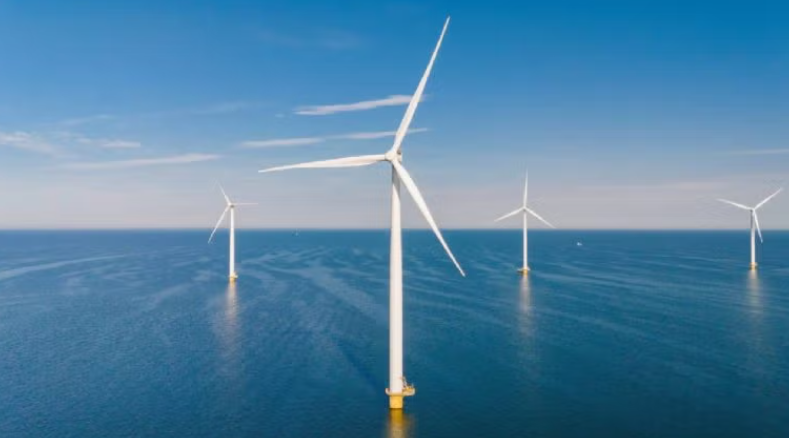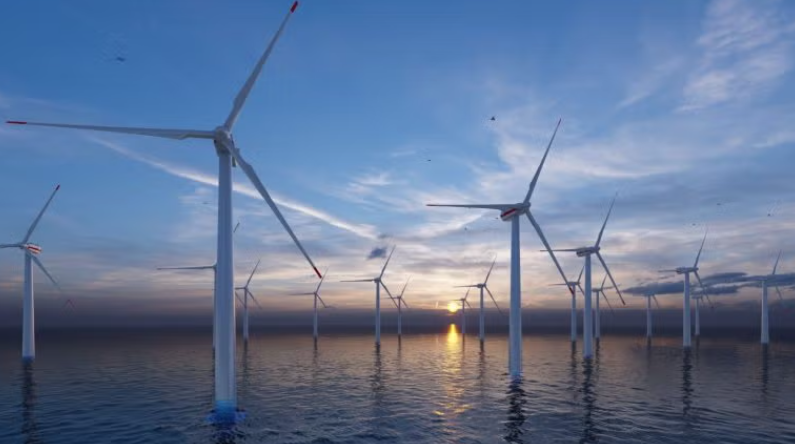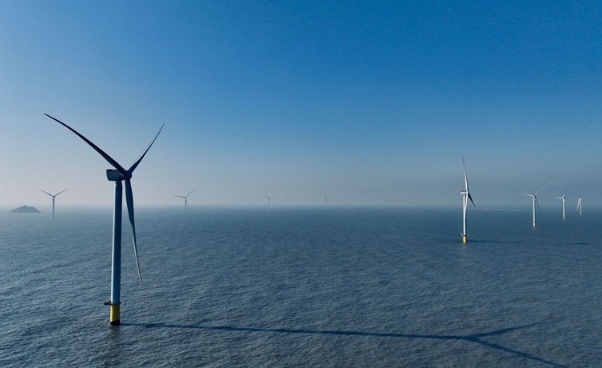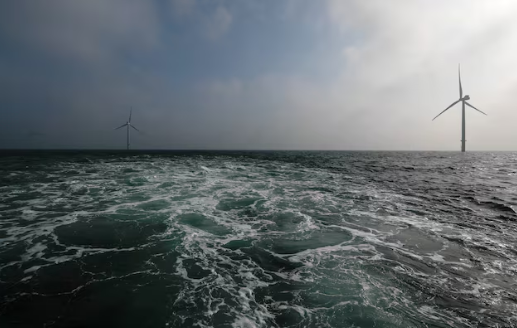
Power-generating windmill turbines are seen at the Eneco Luchterduinen offshore wind farm near Amsterdam, Netherlands September 26, 2017.
The decision follows a pause in tenders earlier this year. In May, potential developers stated they could not find a feasible business case for new offshore projects without financial support. The subsidy program is intended to provide certainty for investors and ensure continued progress in expanding renewable energy production.
The Netherlands has already made significant progress in offshore wind development. Current capacity stands at about 4.7 GW. The government previously aimed to expand this figure to 21 GW by 2030 but decided last year to shift the target to 2032. The adjustment was attributed to rising costs and challenges within global supply chains that affected timelines and construction plans.
By offering subsidies, the government seeks to maintain momentum in the transition toward renewable energy and secure long-term energy supplies. Offshore wind plays a central role in the country’s strategy to diversify its energy mix and reduce reliance on fossil fuels. Officials have emphasized that stable investment conditions are key to attracting developers and ensuring large-scale projects remain financially sustainable.
The new tenders will cover the construction and operation of wind farms designed to deliver steady power to the national grid. A 2 GW addition will represent a significant step toward meeting the long-term target of 21 GW, which would supply a large share of the country’s electricity demand in the future.
Market analysts note that the introduction of subsidies highlights the changing economics of offshore wind. While costs have fallen in the past decade, recent inflation, supply chain pressures, and higher interest rates have increased project expenses. The Dutch government’s approach is intended to address these challenges while ensuring the offshore sector continues to expand at pace.
The 1 billion euro allocation reflects the scale of commitment to renewable development. Once awarded, the tenders are expected to attract strong participation from both domestic and international energy companies with experience in offshore projects.
With this program, the Netherlands aims to balance its renewable energy ambitions with realistic market conditions. The country remains one of the leaders in offshore wind deployment in Europe, and the new initiative is expected to reinforce that position while contributing to broader European energy transition goals.