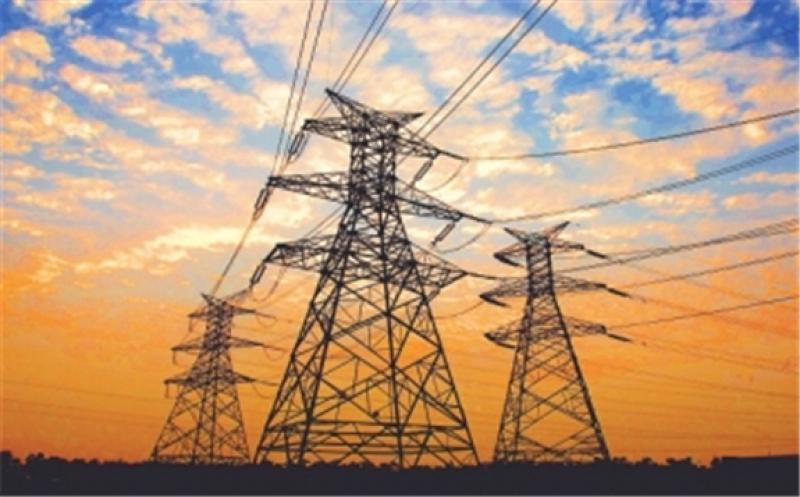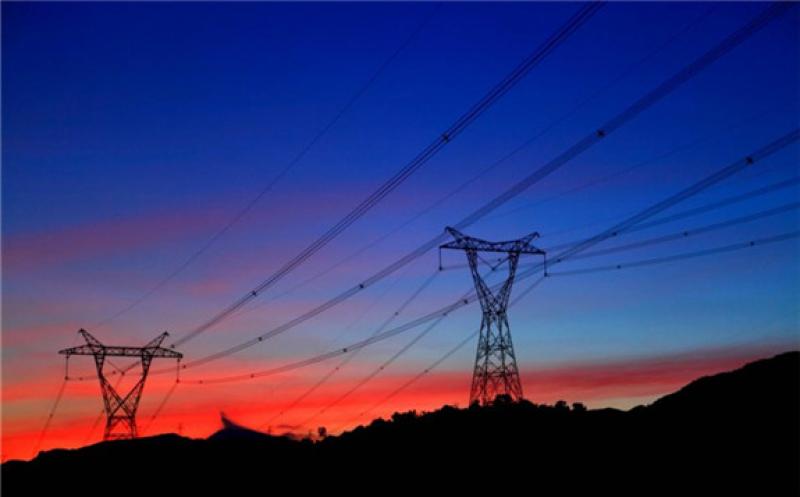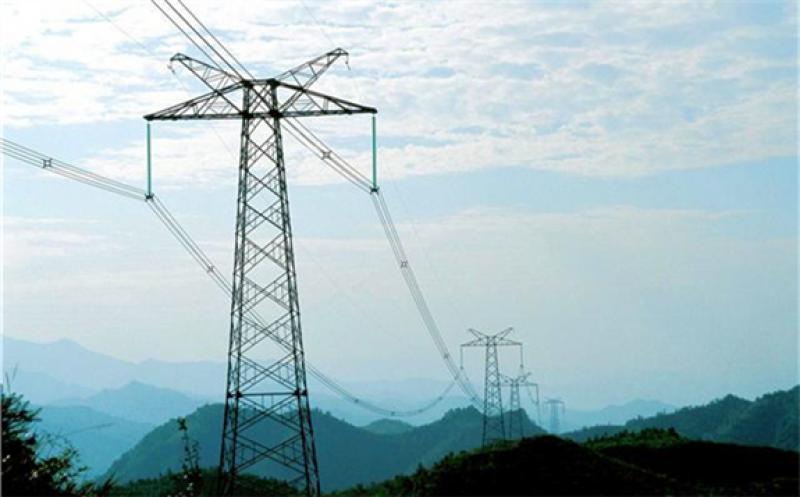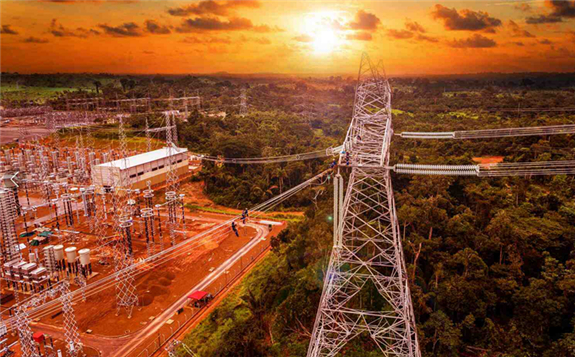
The project will cross four provincial-level regions, including Yunnan Province and Guangxi Zhuang Autonomous Region, and represents China’s first UHV line to span the Qinghai-Tibet Plateau, the Yunnan-Guizhou Plateau, and the hilly terrain of southern China. Once fully operational in 2029, the line will have a rated capacity of 10 GW and transmit more than 43 billion kWh of electricity annually from Xizang’s clean energy base to the Greater Bay Area.
Dong emphasized that the line will exclusively transmit electricity generated from clean sources. The supply of green energy is expected to replace the equivalent of around 12 million tonnes of standard coal each year and reduce annual carbon dioxide emissions by 33 million tonnes. He noted: “This will make economic development greener and cleaner.”
Rao Hong, chief scientist of China Southern Power Grid, highlighted the technical and environmental challenges: “The project will address world-class challenges such as large-scale clean energy transmission, the application of ultra-high-altitude UHV flexible direct current technology, and construction and operation in extremely complex environments.”
Nearly 90 percent of the line will run through mountainous areas, requiring workers to manage risks such as permafrost, geological hazards, environmental protection, and construction in uninhabited regions. The project also involves the development of new transmission technology and equipment suitable for operations at altitudes exceeding 4,300 meters.
China has steadily expanded its UHV power transmission network in recent years to move electricity from energy-rich western regions to the fast-growing eastern areas, supporting greater use of clean energy and contributing to green economic growth. Xizang, identified as one of China’s key energy bases, has abundant hydropower, wind, and solar resources and has already constructed several UHV lines to supply power to different regions nationwide.
The Guangdong-Hong Kong-Macao Greater Bay Area, a major center of economic activity, has positioned itself as a leader in advancing sustainable and high-quality growth. In 2024, green electricity trading in the Greater Bay Area reached 49.1 billion kWh, which was 11 times higher than the previous year and accounted for 39 percent of the national total.