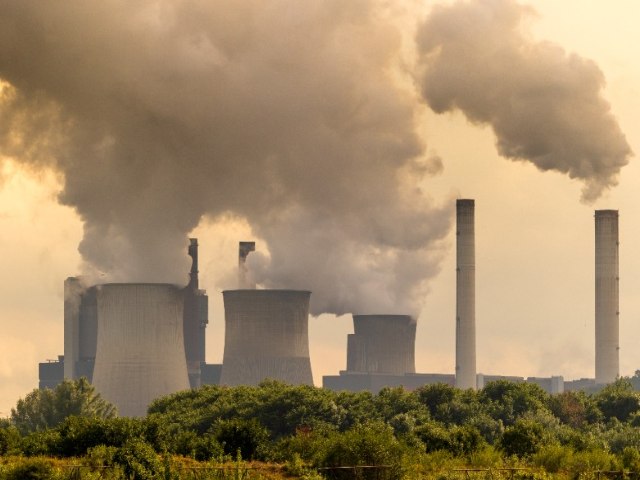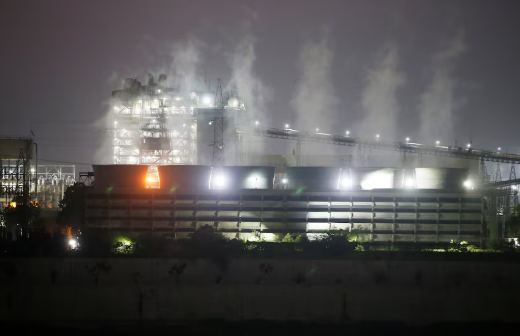
Smoke billows from the cooling towers of a coal-fired power plant in Ahmedabad, India, October 13, 2021.
The analysis showed that the decrease was driven by record growth in non-fossil power generation capacity and milder-than-usual weather. CREA noted that 65% of the reduction in fossil fuel-based generation was linked to slower demand growth, 20% to faster clean-energy expansion, and 15% to higher hydropower output. The study was based on official monthly data covering fuel consumption, industrial production, and power generation from various ministries and institutions.
In the January–June period, India added 25.1 gigawatts (GW) of non-fossil capacity, representing a 69% increase from the previous record. This capacity could generate nearly 50 terawatt hours (TWh) annually, CREA said. The rise in clean-energy installations highlighted India’s progress in diversifying its power mix while strengthening electricity supply reliability.
Weather also played an important role. Temperatures were lower than average, and rainfall between March and May was 42% above normal, reducing the need for air conditioning. At the same time, hydropower generation surged, further contributing to the shift in the energy balance.
CREA reported that fossil-fuel generation fell by 29 TWh, while total power generation increased by 9 TWh, showing that clean and hydropower sources more than offset the decline in fossil-based output. Oil demand growth also slowed, supporting the broader emissions reduction trend.
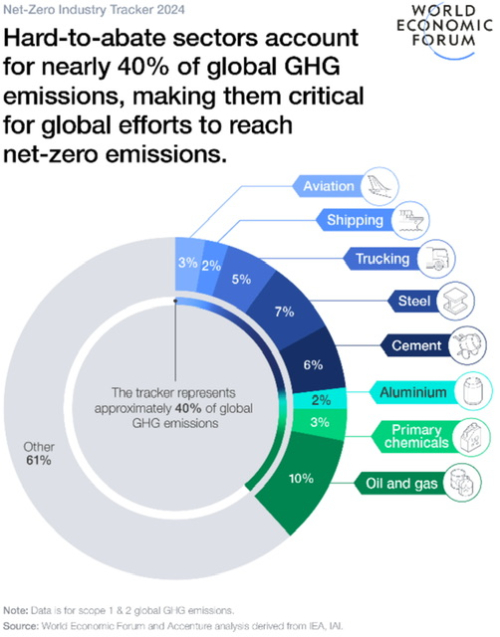
However, the report noted variations across sectors. Emissions from steel and cement increased, driven by higher infrastructure spending. These industries remain significant contributors to India’s overall emissions profile. Despite this, the power sector, which has historically accounted for about half of the country’s emissions growth, showed clear progress.
Looking ahead, CREA suggested that India’s power-sector emissions could peak before 2030 if the current pace of clean-energy growth continues and electricity demand stays within projected levels. Achieving this would mark a milestone in balancing economic development with energy sustainability.
India has set a target to add 500 GW of clean energy capacity by 2030. The report indicates that the strong performance in the first half of 2025 is a step toward this goal. With continued investment in non-fossil generation, as well as attention to demand management and weather variability, the country’s energy transition is likely to influence long-term emission trends.