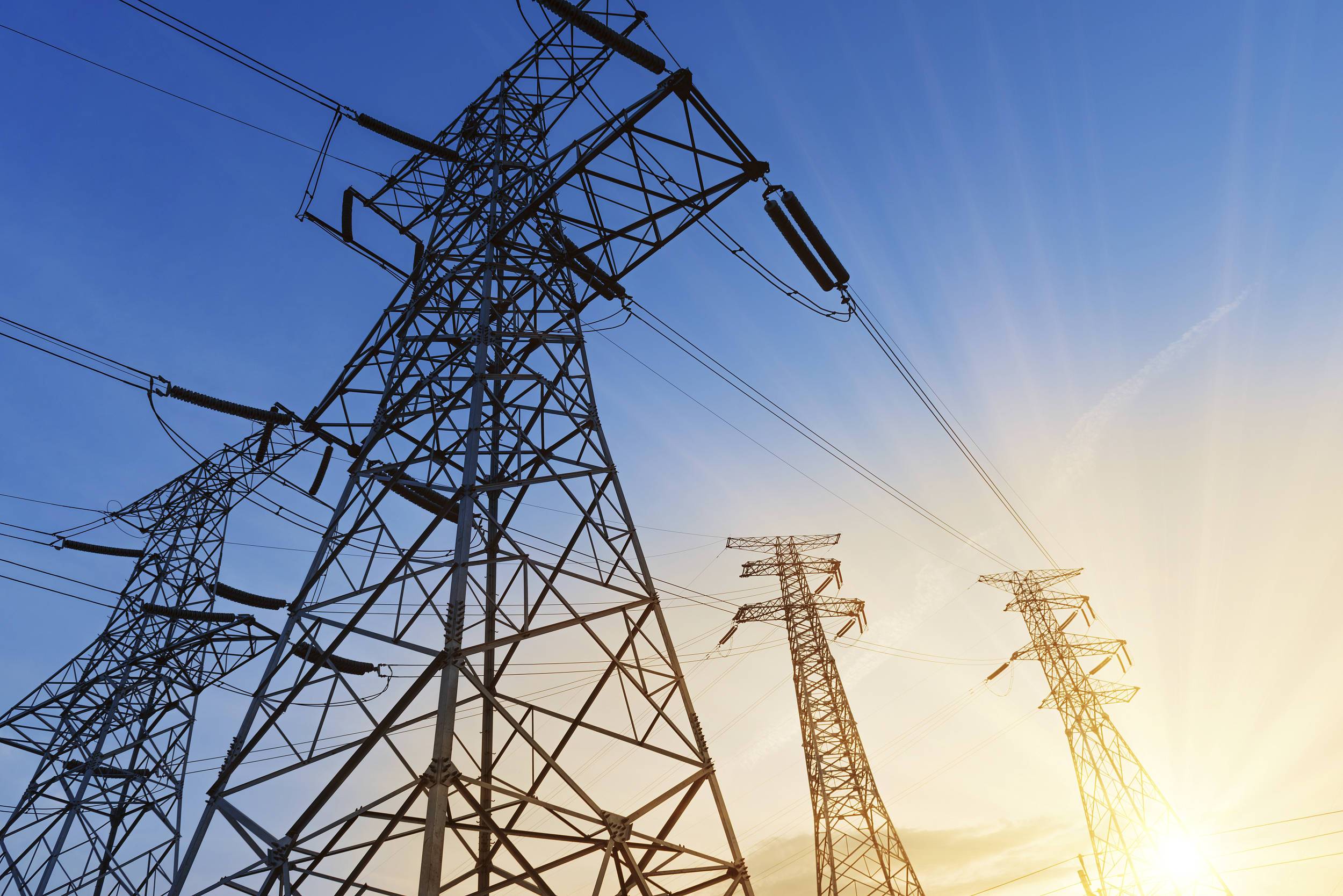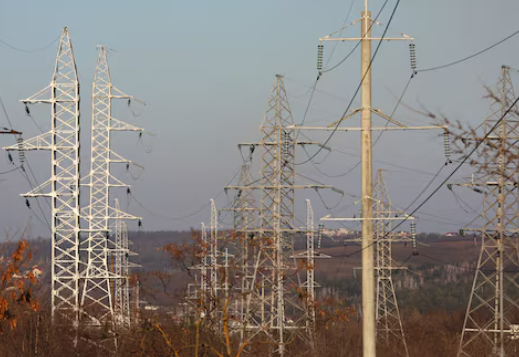
A view shows power poles in Chisinau, Moldova March 4, 2023.
For many years, Moldova relied heavily on electricity generated in the Transdniestria region, where Russian gas was used as the main fuel. This arrangement ended when Kyiv declined to extend the contract for Russian gas transit to Europe, cutting off gas flows to Transdniestria and consequently reducing its power generation capacity.
The embassy said the new project represents more than just an energy link. “It will unlock potential across multiple sectors, including transmission infrastructure, grid optimization technologies, information and communication technologies, nuclear power, and battery storage,” the statement read. The project is also expected to generate new opportunities for U.S. companies by creating avenues for the application of U.S. technologies in Moldova’s energy sector.
Construction of the transmission line will enable Moldova to strengthen its connections with European electricity markets, allowing for more stable imports and reducing reliance on limited regional sources. By ensuring reliable cross-border electricity flows, the project will help balance supply and demand, while enhancing grid resilience.
The $130 million initiative reflects broader international efforts to support Moldova’s energy transition and reduce vulnerabilities in its power supply chain. With the planned infrastructure, the country will be able to adopt more advanced grid management tools and diversify its energy mix, including the integration of renewable and low-carbon sources.
Officials have highlighted that the project’s scope goes beyond electricity transmission. The inclusion of modern grid technologies and potential applications in nuclear power and energy storage suggests a long-term vision for Moldova’s energy development. This approach is expected to not only secure immediate supply but also prepare the system for future growth and innovation.
The embassy emphasized that cooperation on the project will bring wider economic benefits by opening opportunities for technology transfer and cross-sector investment. Strengthening Moldova’s power infrastructure is seen as a step toward supporting overall economic resilience and regional energy integration.
By connecting more deeply with European markets, Moldova will gain greater flexibility in sourcing electricity, helping to reduce price volatility and manage seasonal consumption fluctuations. The project also aligns with Moldova’s goals of enhancing energy independence and creating a more reliable system for households and industries.