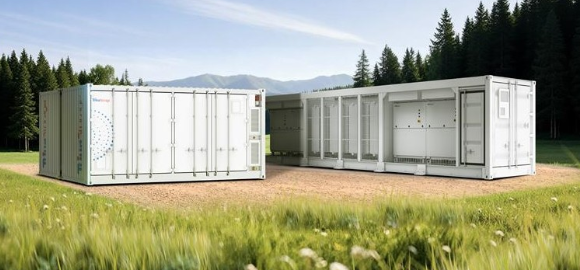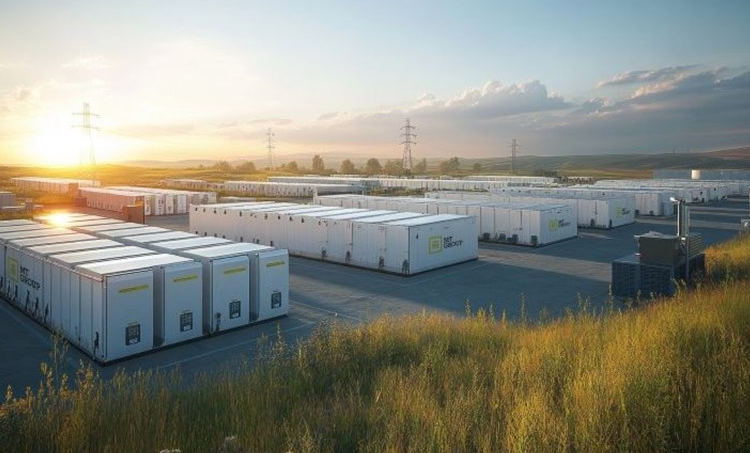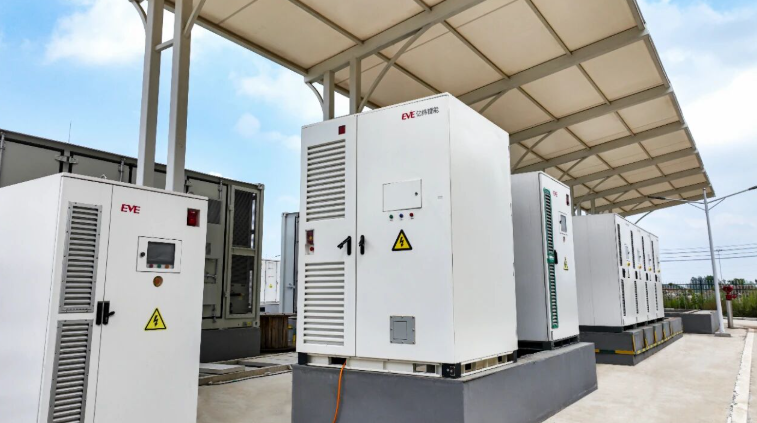
The sodium-ion system was independently developed and designed by EVE Energy, utilizing the NF155L sodium-ion cell based on NFPP chemistry. These cells are known for their high safety features, wide operating temperature range (–40°C to +60°C), and high-rate discharge capability. The cells are also built for long cycle life, offering more than 30,000 charge–discharge cycles and supporting over 1P power discharge. Additionally, they can be safely stored at 0% state of charge (SOC) for extended periods, which enhances safety during storage, transportation, and assembly. The carbon footprint of these sodium-ion cells is more than 42% lower than that of lithium-ion batteries, according to EVE Energy.
The system’s design prioritizes safety with dual fire suppression systems. In extreme thermal runaway conditions, the system generates minimal gas and significantly reduces flammability, lowering explosion risks. The dual-level fire protection, implemented at both the module and cabinet levels, offers additional safeguards to ensure the system’s reliability under challenging conditions.
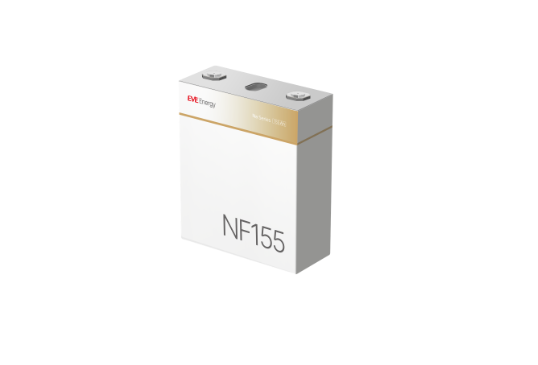
EVE Energy’s sodium-ion storage system is entirely self-designed and manufactured, using 100% in-house core components. This allows for flexibility in deployment and integration with existing lithium-ion battery production processes. The system supports rapid mass production and can be adapted to various application scenarios through modular cabinet combinations.
The NF155L sodium-ion batteries have already received recognition from multiple energy storage customers, indicating growing confidence in their performance and safety features. Moving forward, EVE Energy plans to continue advancing sodium-ion research and development to accelerate large-scale commercialization and adoption of this technology in the energy storage sector.
This development reflects EVE Energy’s ongoing efforts to enhance energy storage solutions that are not only efficient but also environmentally friendly, with significant reductions in lifecycle carbon emissions compared to traditional lithium-ion systems.