The move comes after a temporary halt in the tenders for the wind farms in May.
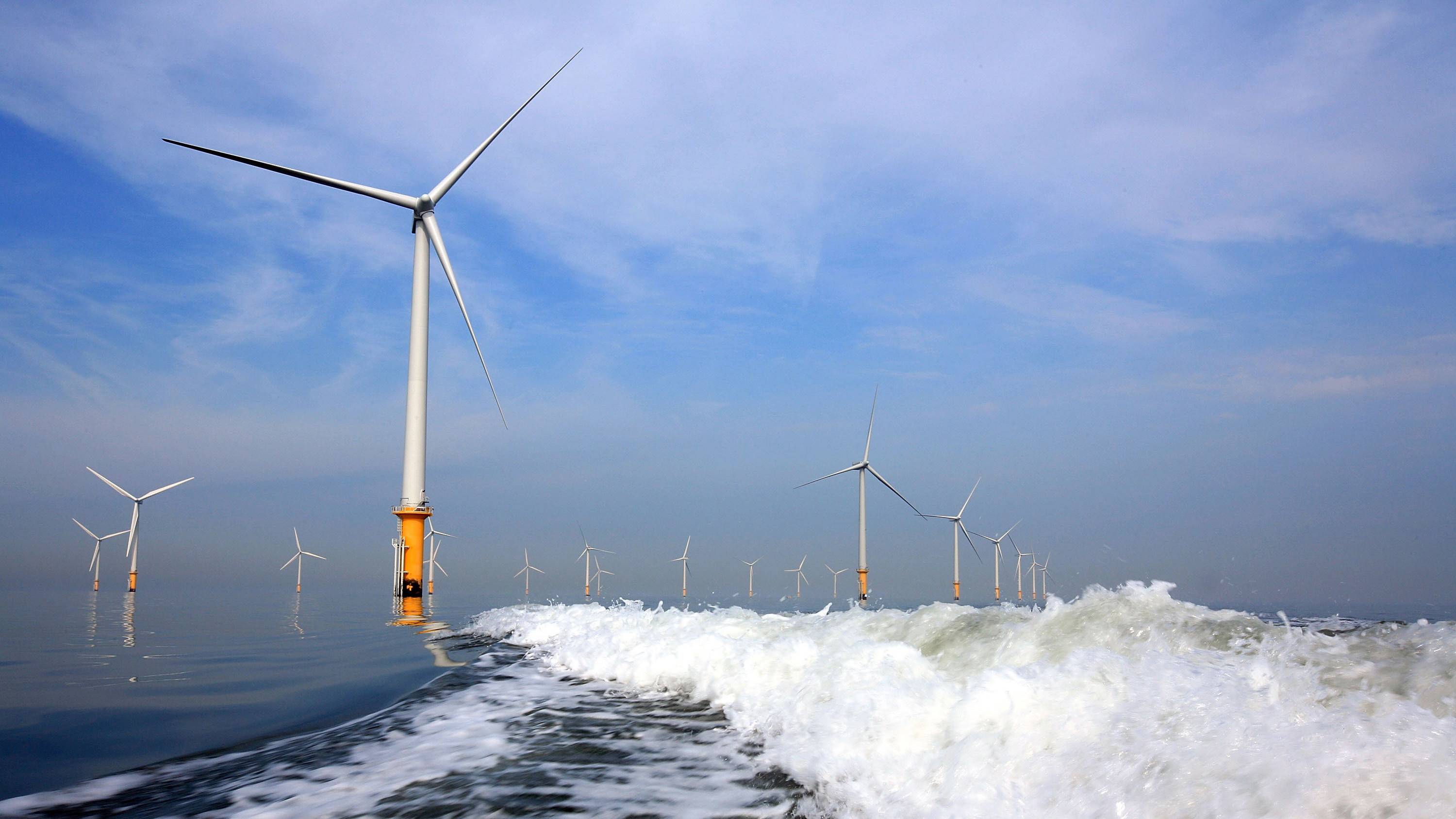
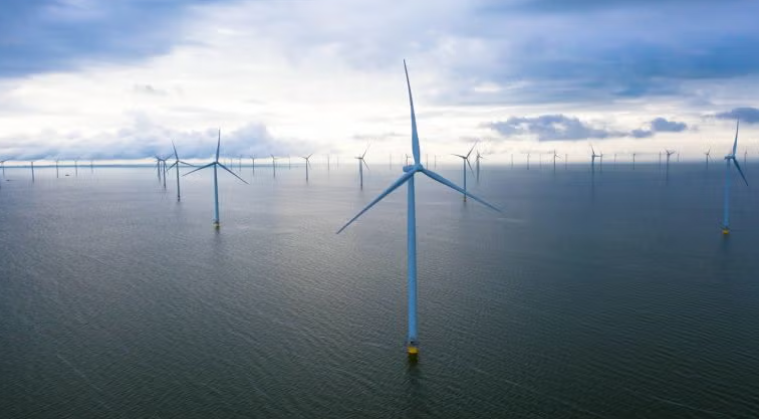
In 2023, the Netherlands revised its timeline for offshore wind expansion. The previous target of reaching 21GW by 2030 was extended to 2032, citing rising costs and supply chain constraints. Despite this adjustment, the government has continued to advance projects. In June 2023, licenses were issued for the construction of a 4GW offshore wind farm located along the western coastline. Two consortia were selected to develop these facilities, reflecting continued progress in large-scale renewable energy development.
The Ministry of Climate and Green Growth announced further changes in July 2024, revising national offshore wind capacity goals. The target of 50GW by 2040 was scaled back, and questions were raised about the feasibility of reaching 70GW by 2050. These revisions were outlined in the North Sea Wind Energy Infrastructure Plan, a framework based on recent market assessments and intended to guide long-term decisions on offshore energy infrastructure.
Officials noted that while the subsidy plan reflects current market realities, the government remains committed to advancing offshore wind as a key component of its energy strategy. The funding will provide developers with financial security, ensuring the continuity of projects and helping to attract further investment. The support is also aimed at stabilizing the sector, which has faced uncertainties linked to rising costs of materials, logistics, and labor.
The Dutch government’s strategy balances immediate support with long-term planning. By securing financing for the 2GW projects, it aims to safeguard progress toward broader offshore wind objectives, even as targets are being adjusted. The decision also addresses concerns about investment stability and the potential impact of delays on both domestic energy supply and European environmental commitments.
Industry analysts observe that subsidies will help maintain momentum in the offshore wind sector at a time when market conditions are challenging. Developers, facing cost inflation and supply chain pressures, had warned that projects could stall without state assistance. The government’s action is therefore seen as a measure to ensure continued growth in renewable energy deployment while reducing risks for private investors.
Overall, the allocation of subsidies marks a significant step in the Netherlands’ approach to offshore wind development. While longer-term capacity targets have been revised, the new financial measures underscore the country’s commitment to supporting renewable energy infrastructure, ensuring both project viability and contributions to broader climate and energy goals.