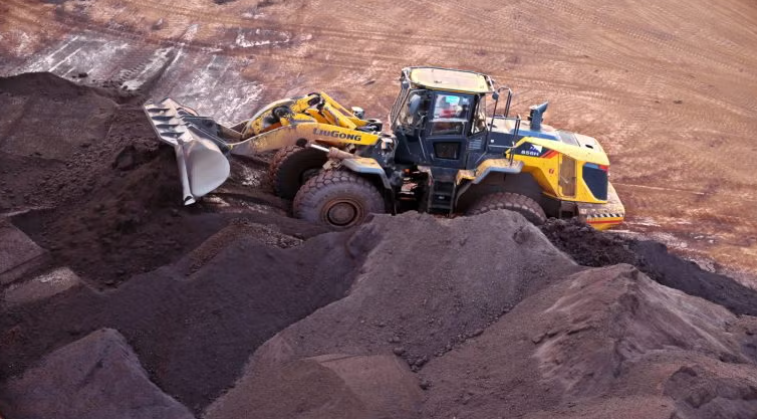
Domestic iron ore prices have increased in recent months, exacerbated by the impact of heavy monsoon rains on supply.
The proposed adjustment would have raised duties to between 20% and 30% from the current zero rate. However, resistance from industry groups and regional stakeholders led to the delay in implementing the measure.
The Federation of Indian Mineral Industries, represented by director general BK Bhatia, appealed to the government not to introduce such restrictions. He emphasized that the steel sector does not make significant use of low-grade ore, making the export market essential for producers.
In a letter to Union Minister of Mines G. Kishan Reddy, Goa Chamber of Commerce and Industry (GCCI) president Pratima Dhond raised concerns over the possibility of extending export duties to iron ore fines and lumps with an iron content below 58%. According to the GCCI, this could severely affect the mining industry in Goa, which is already facing challenges.
Rising domestic iron ore prices have further complicated the situation. Heavy monsoon rains have disrupted supply, contributing to price growth in recent months. In August, commodities consultancy BigMint reported that prices of iron ore fines in Odisha, one of the country’s leading producing states, were 7% higher compared with the previous month due to weather-related disruptions.
Both Goa and Odisha, as major iron ore-producing states, have voiced opposition to the duty increase, stressing the potential impact on their mining sectors and related exports.
India has previously adjusted its export duty framework. In May 2022, the government imposed a 50% duty on exports of low-grade iron ore and a 45% duty on pellets. The measure was reversed in November 2024 following industry complaints that the higher taxes restricted international sales opportunities and reduced competitiveness in global markets.
The current discussion reflects the ongoing balancing act between safeguarding domestic industry needs and maintaining export revenues. While the government is considering measures to manage ore supply and prices, mining companies and industry bodies continue to advocate for open export policies to ensure steady growth in production and trade.
The delay in implementing the proposed duty increase provides temporary relief for producers, but the debate underscores the challenges in aligning national mining policy with both domestic consumption trends and global demand for raw materials. The decision also highlights the importance of consultation between industry stakeholders and the government before policy changes affecting critical sectors are finalized.
India’s iron ore sector, supported by states such as Goa and Odisha, remains central to the country’s mining economy. The outcome of these policy deliberations will be closely watched by both domestic producers and international buyers.