The GSI has identified 381 hot springs across the country.
Geothermal energy, which uses heat stored within the Earth’s crust, is positioned as a key addition to India’s renewable portfolio. Currently, solar, wind, bioenergy, and hydropower dominate the sector. The policy highlights that geothermal energy can support aquaculture, food processing, cold storage, cooling, heating, electricity generation, and geo-tourism.
According to the Geological Survey of India (GSI), 381 hot springs have been identified across the country, with surface temperatures ranging from 35°C to 89°C, while Himalayan geothermal sites can reach nearly 200°C. These resources are spread across 13 provinces, including the Andaman & Nicobar Islands, Arunachal Pradesh, Chhattisgarh, Gujarat, Himachal Pradesh, Jharkhand, Ladakh, Maharashtra, Odisha, Sikkim, Telangana, Uttarakhand, and West Bengal.
Some of the notable sites with potential for development include Puga and Chumathang in Ladakh, Manikaran in Himachal Pradesh, Joshimath in Uttarakhand, Bakreshwar in West Bengal, Dholera in Gujarat, and Tattapani in Chhattisgarh. The ministry expects these sites to contribute significantly to the future expansion of geothermal energy in the country.
The policy also outlines the establishment of a geothermal data repository. This will be developed in cooperation with the Ministry of Mines, the Directorate General of Hydrocarbons, the National Data Repository, CSIR-NGRI, and other agencies. The repository will provide comprehensive information for project developers and researchers.
To encourage broader use, the integration of geothermal heating and cooling technologies, including ground source heat pumps, into the National Building Code has been proposed. This measure aims to promote energy-efficient construction and sustainable building practices.
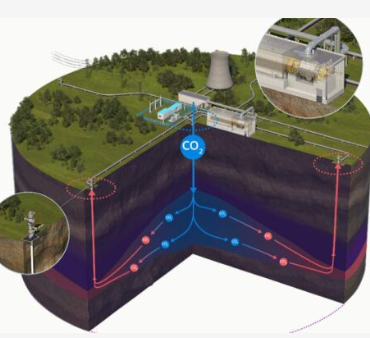
Research and development are also emphasized under the policy. Areas of focus include hybrid geothermal-solar power plants, the use of abandoned oil wells for geothermal purposes, and the development of enhanced and advanced geothermal systems. These efforts are expected to improve efficiency and reduce costs over time.
The MNRE will act as the nodal agency for implementing the policy. It will coordinate with international partners and multilateral institutions to establish pilot projects under the Renewable Energy Research and Technology Development Programme. The ministry will also issue guidelines, standard operating procedures, and regular progress reports to monitor advancement.
In the initial stage, five projects have been approved to demonstrate geothermal applications and assess resource potential. These pilot projects are designed to provide valuable insights and create a foundation for larger-scale deployment in the future.
Overall, the National Policy on Geothermal Energy reflects India’s strategy to diversify its renewable energy portfolio while exploring new technologies to meet long-term sustainability and energy security goals.